
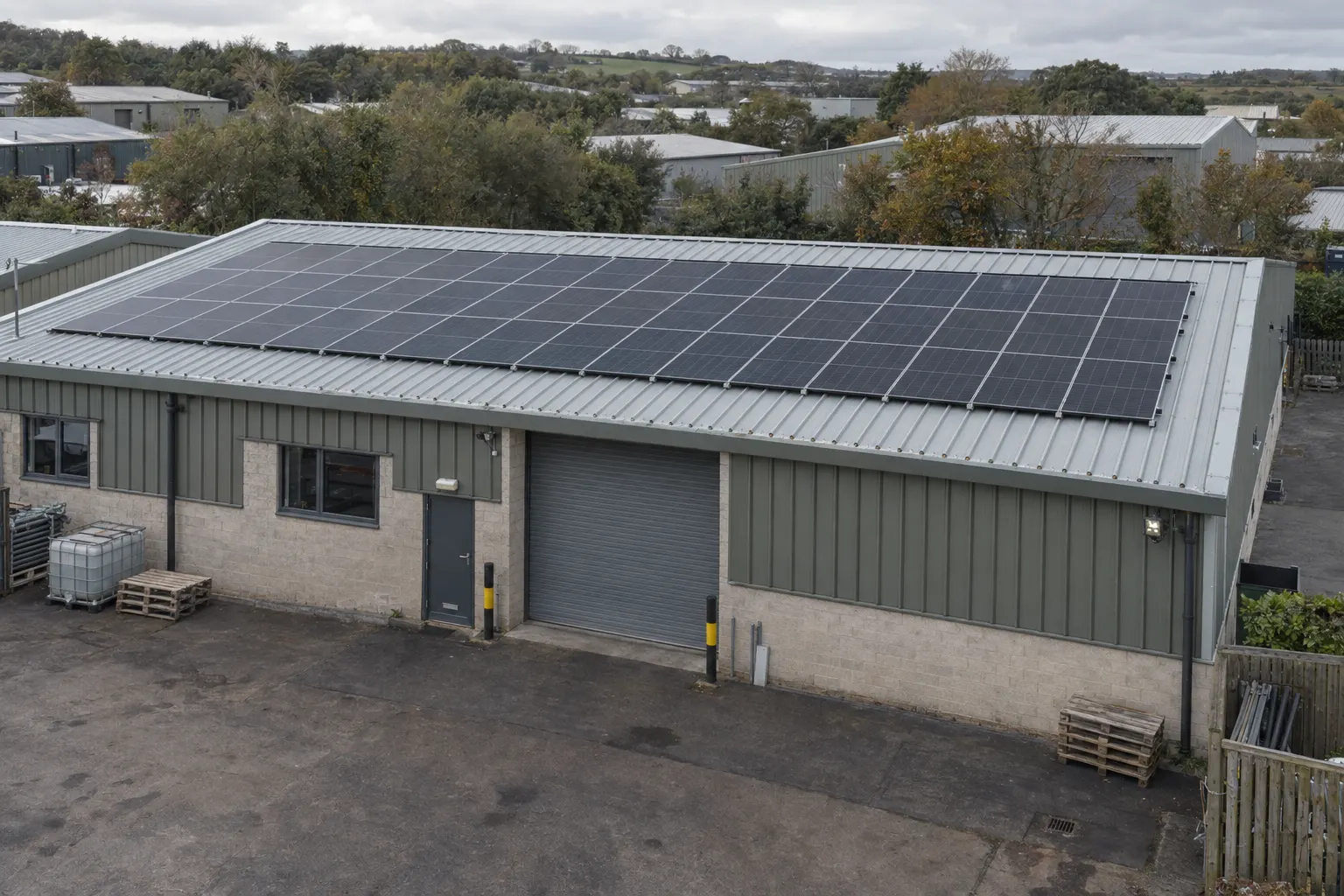
Do commercial solar panels increase business rates? Qualifying solar photovoltaic (PV) plant is covered by a time-limited valuation exception in England, but that does not guarantee an unchanged rates bill for the whole site.
A Falmouth factory fitting panels mainly to power its own operations needs a different rating check from an export-led installation on separately occupied land. Before investing, separate the treatment of the generating equipment from the assessment of the premises around it.
Business rates or rateable value — what is the solar question?
Rateable value is broadly the property’s assessed annual rental value at the relevant valuation date, set by the Valuation Office Agency (VOA). It is not the purchase price of your panels or your annual bill. The bill also depends on the applicable multiplier and reliefs.
The solar rule concerns which plant and machinery is included in that valuation. It does not remove the existing factory, workshop or commercial premises from business rates.
Your rates enquiry therefore needs two answers: how the proposal affects the assessment, and what that means for the bill payable by the relevant occupier. Include both within the wider checks before investing in commercial solar.
What England’s renewable plant exception covers through 31 March 2035
SI 2022/405 took effect on 1 April 2022. It provides a time-limited exception from valuation for specified Class 1 plant and machinery relying mainly or exclusively on renewable sources, including photovoltaics.
The exception applies to days before 1 April 2035, so it currently runs through 31 March 2035. These are England-wide rules, covering solar panels and business rates in Cornwall too.
Calling this a “solar PV business rates exemption” can obscure its limits. It concerns qualifying plant, not a blanket rates holiday for the property. If your investment appraisal extends beyond March 2035, flag that end date as an assumption to revisit rather than treating the current exception as permanent.
The VOA’s guidance on rating power generators explains why land and supporting structures must still be considered alongside the renewable equipment.
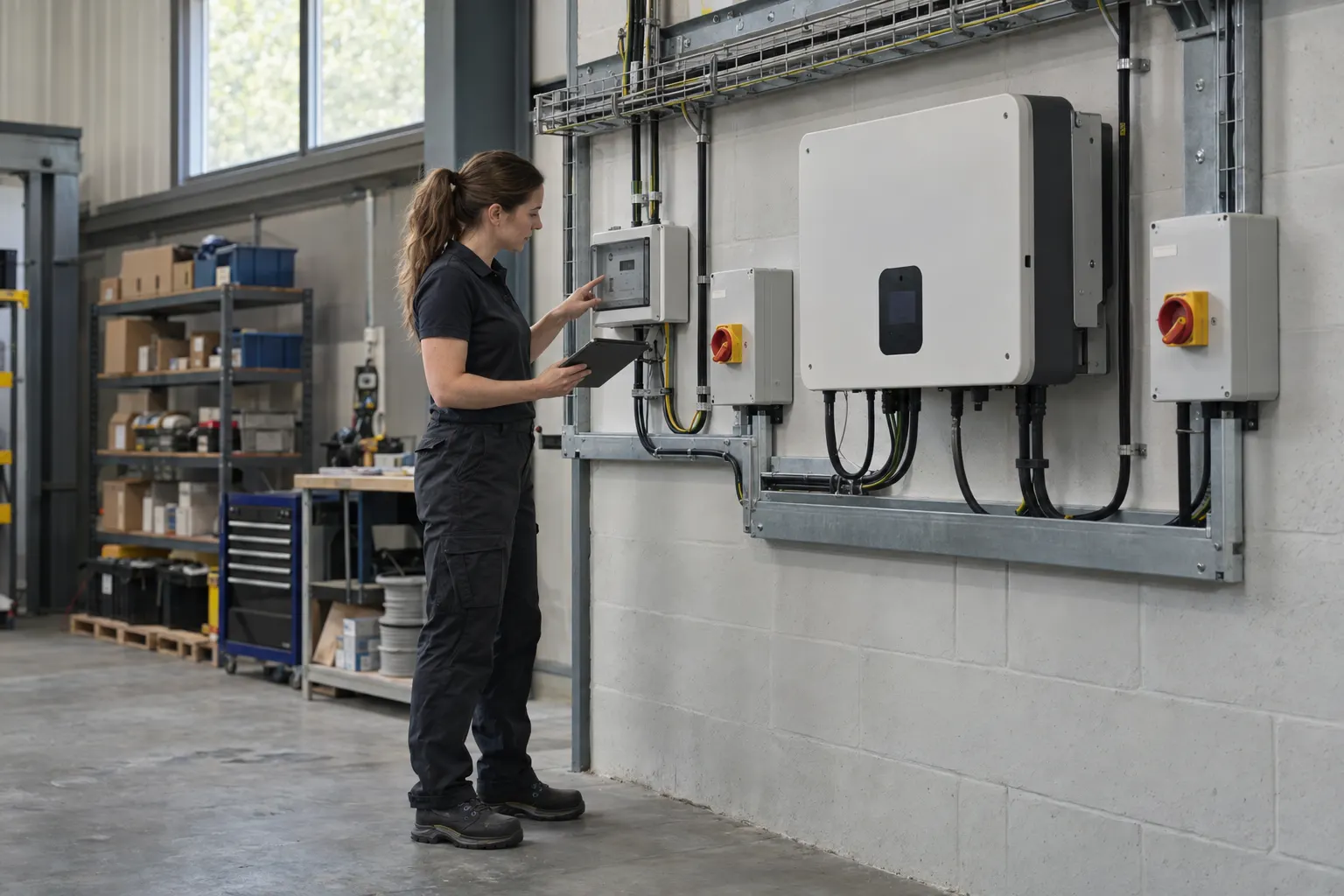
When on-site use, export or separate ownership changes the rating picture
Generation mainly used on site
A business using most of its own system’s generation on site is not the same case as an installation mainly exporting electricity. Exporting some surplus does not automatically increase the host property’s rates.
Record the expected proportion of generation used on site and exported. That split is different from the system’s maximum export capacity. Keep the rating enquiry separate from the electrical design question of solar capacity and export limits.
Export-led solar and business rates
The VOA says a generator over 10 kW whose electricity is wholly or mainly exported will normally form a separate hereditament requiring assessment. A hereditament is a separately assessed property unit for business rates.
That is not a 10 kW cut-off for the renewable plant exception. Qualifying plant and any remaining rateable elements still need to be distinguished within a separate assessment.
Third-party operators and separate land
The VOA’s examples include third-party PV installed on a factory roof. Ownership alone does not automatically put extra rates on the host premises. Clarify who owns and operates the equipment, who occupies the roof or land and who uses the electricity.
A ground-mounted array on separate land also needs a property-specific check. Do not transfer an answer about an owner-operated rooftop scheme to a different occupation or operating arrangement.
If a landlord or third-party operator holds key information, ask for it before requesting advice. An enquiry that omits a separate operator or roof-space occupation may not describe the arrangement that will actually be built.
What the 50 kW figure means — and what it does not
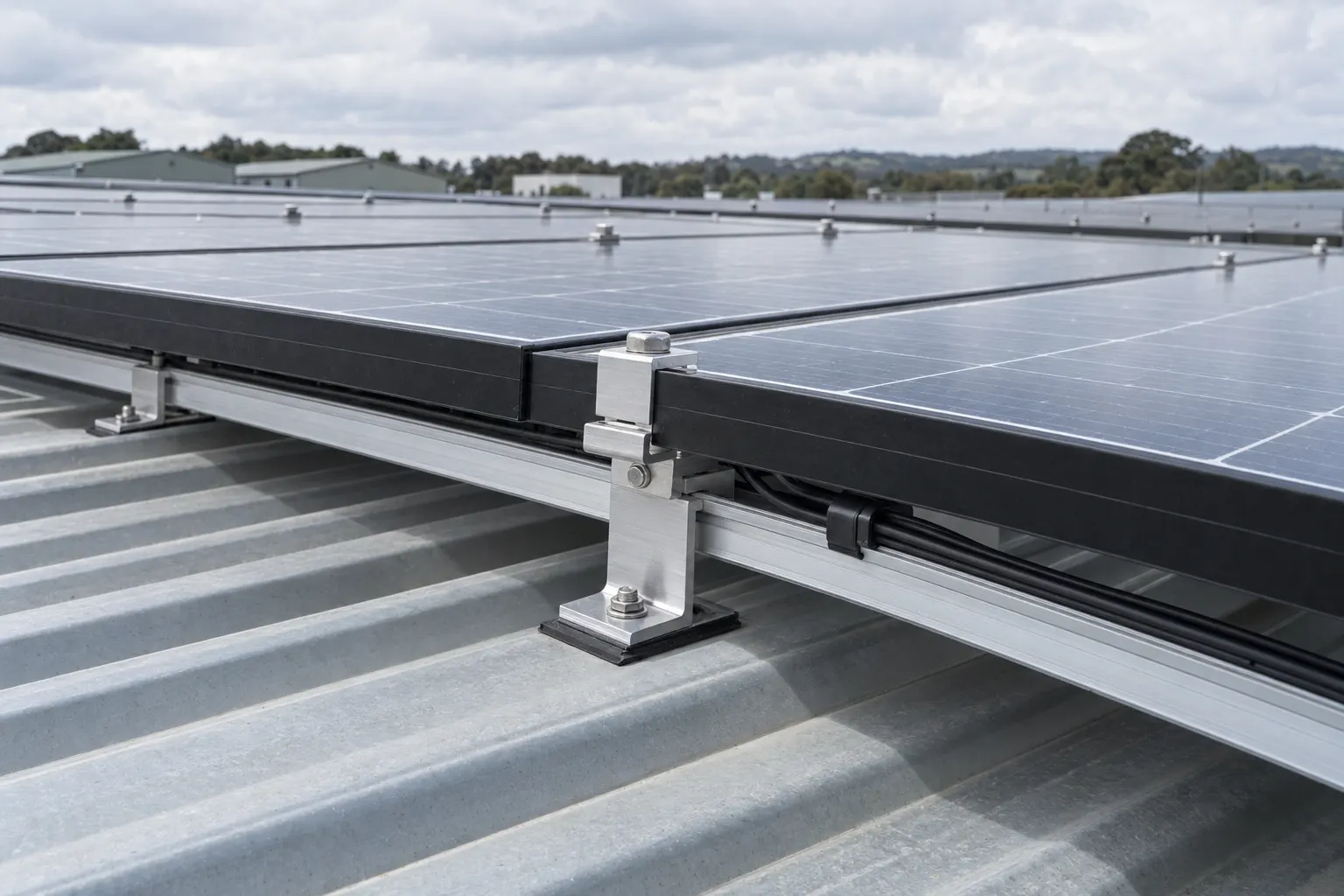
50 kW is not the exemption threshold. The VOA discusses residual values for supports, brackets and settings for installations above 50 kW. Below 50 kW, it describes the residual value as likely to be de minimis — very small — rather than guaranteed to be zero.
Land and settings accommodating renewable plant remain rateable. A larger system does not lose the qualifying plant exception simply because its capacity exceeds 50 kW, and a smaller one is not guaranteed a zero overall assessment.
Do not size a commercial array around a supposed 50 kW rates exemption. Confirm how the actual plant, supporting structures and land will be treated.
What project information to gather for a local rating check
Before seeking a rating view for a factory, holiday park or larger rural site, prepare a short project summary that your electrical contractor and rating adviser can work from. Include:
- System capacity and date — installed PV capacity in kW and the proposed or actual commissioning date.
- Location and layout — the roofs or land involved, with supporting structures identified on a site plan.
- Ownership and operation — the equipment owner, operator and any separate roof-space or land occupation arrangements.
- Electricity use — the expected share of generation used on site versus exported, or actual figures for an operating system.
- Battery storage — identify any battery and its intended operation separately from the PV equipment.
- Existing assessment — the property’s current rateable value and details of any existing separate assessment.
For an unbuilt scheme, label generation and export figures as forecasts. For an operating installation, distinguish measured figures from the assumptions used during design. Keep the commissioning date and any subsequent change in operation clear, so an adviser can see which arrangement and period your enquiry concerns.
For solar and battery business rates questions, ask the adviser to address the complete proposal rather than giving a PV-only answer. If the operator, site boundary or intended export share changes during design, update the summary before relying on an earlier response.
Who sets the value, who issues the bill and where to check
The VOA sets the rateable value, the government sets the multiplier, and Cornwall Council calculates and collects the bill. Excluding qualifying solar plant does not prevent the overall bill changing because of the current valuation list, multipliers or other reliefs.
Take valuation and separate-assessment questions to the VOA or a qualified rating adviser. Ask which equipment is excluded, what remains rateable, whether a separate assessment is expected and who would receive any resulting bill.
Cornwall Council is the contact for questions about the calculation of your local bill and applicable reliefs. Keep the valuation question and billing question distinct.
Planning a Falmouth commercial solar project? Maenporth Electrical Ltd, based at Maenporth and serving Penryn and wider Cornwall, can discuss your proposal’s electrical and site requirements. Call 01326 250297 for a technical discussion. Rates liability should be confirmed with the VOA or a qualified rating adviser.