
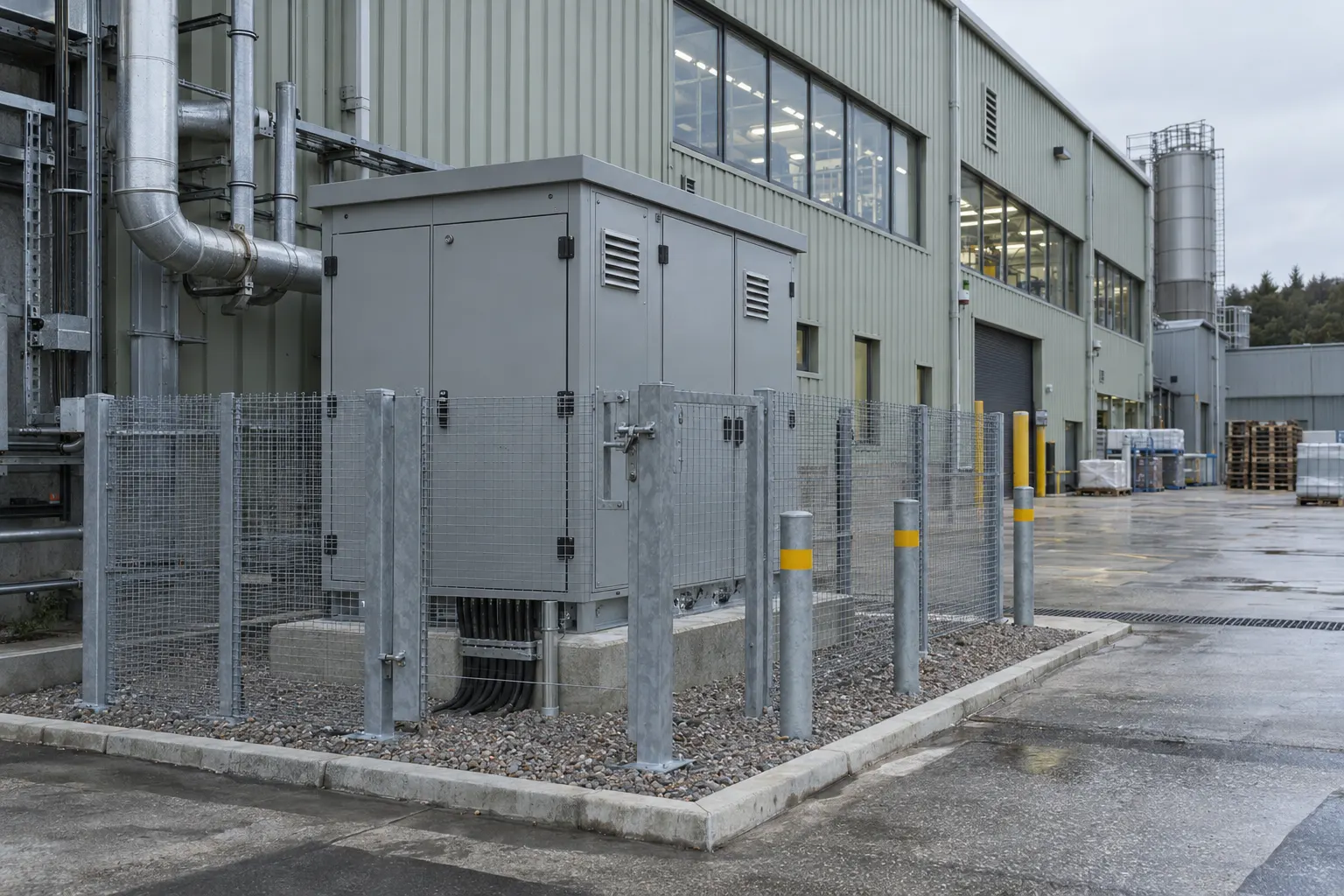
A costly shutdown does not automatically make a factory or quarry a Protected Site. Protected Sites List eligibility for industrial sites depends on the activity carried out, the effects of recurring electricity loss and the additional conditions in the emergency code.
For operations managers, the important distinction is between qualifying for emergency protection and having a workable power-cut plan. Even a listed site needs a controlled response to lost supply and a safe way to restart.
When does the Electricity Supply Emergency Code apply?
The Electricity Supply Emergency Code (ESEC) sets out arrangements for an electricity-supply shortfall emergency. Emergency rota disconnections for businesses are interruptions arranged in rotation to reduce demand during that emergency.
This is different from a planned network outage, a local network fault or a fault within your installation. Those interruptions fall outside the protection provided by the emergency code.
Cornwall is in National Grid Electricity Distribution's South West area. Start enquiries with the appropriate network operator for your site's supply, and check the current code before relying on any eligibility assumptions.
What the Protected Sites List can and cannot do
During an ESEC activation, network operators must use reasonable endeavours to maintain supply to listed sites. That is a qualified duty, not a guarantee that electricity will remain available.
Protected status is therefore a limited part of industrial power resilience. It does not replace contingency arrangements for an unexpected interruption, and it should not be used to promise customers uninterrupted production.
Build the site's response around what happens if supply is lost, whether an application is pending, unsuccessful or approved. Eligibility work and outage preparation should proceed as separate tasks.
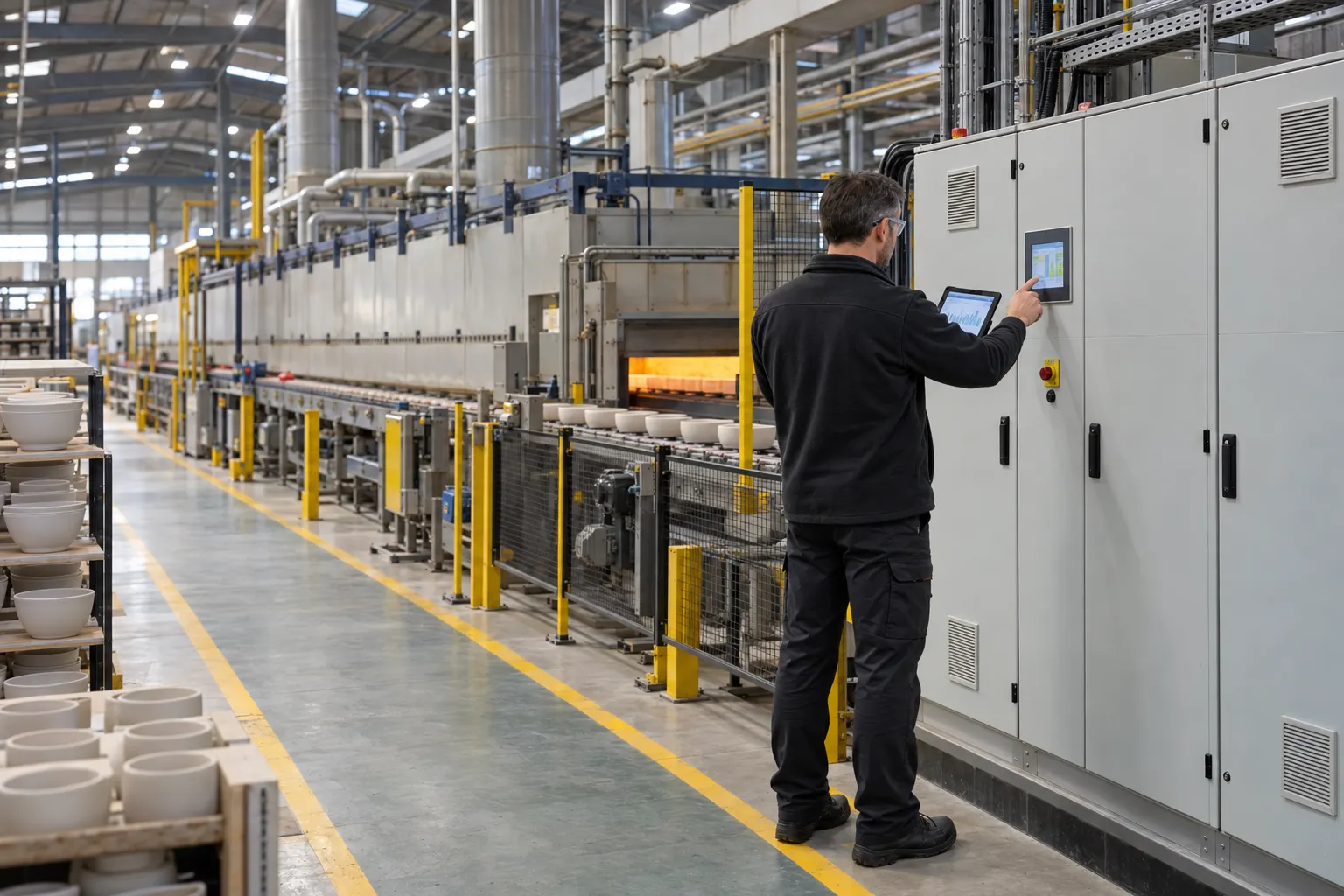
Which industrial sites might meet the Tier 3 criteria?
The Tier 3 Protected Site criteria combine an operational-impact test with a separate designated-service requirement. High downtime costs alone do not establish eligibility.
The operational-impact test
Tier 3 describes industrial sites with continuous operations where recurring loss of electricity would either:
- cause repair or replacement costs of at least 10% of Site Fixed Tangible Asset Value; or
- result in a return-to-service time of more than 12 hours.
The financial threshold concerns repair or replacement costs, not simply lost sales. Tier 3 applicants must provide an independent financial assessment.
The designated-service test
The approved designated-service list specifies energy-intensive industries including ceramics, glass, paper, steel and metals. Meeting the damage or recovery-time threshold alone is not enough. A quarry, workshop or factory should not assume eligibility merely because it operates continuously or faces a serious financial loss.
Check the site's precise activity against the designated services before investing in a detailed application.
What evidence and additional conditions need checking?
Prepare a clear account of the continuous process, the consequences of recurring interruptions, relevant asset values and the basis for the claimed recovery time. Explain assumptions and distinguish repair or replacement estimates from wider business-interruption costs.
Use available process records and equipment information rather than a single unexplained downtime estimate. Make clear what would need repair or replacement and which recovery-time estimates still need specialist input. Process specialists and equipment suppliers can help explain operational effects.
An electrical inspection cannot replace the financial assessment or substantiate every claim about process recovery. Confirm the scope of the independent assessment before commissioning it.
Applicants also face a standby-generation assessment. Most must justify why standby generation is not possible. Tier 0 and Tier 1 may be exempt from that criterion; an industrial Tier 3 applicant should not assume those exemptions apply.
Having no generator is not the same as demonstrating why generation is impossible. Describe any existing backup arrangements and their intended role. Separate facts about the installation from assumptions about what might be technically possible; those assumptions need checking before they are used to justify an application.
Ask the network operator what technical evidence is needed, and work through all current additional eligibility conditions rather than treating the headline thresholds as a complete checklist. These are preparation steps, not the full application requirements. Formal eligibility decisions sit with the relevant government department and network operator; neither this article nor a contractor's site review can determine whether a particular site qualifies.
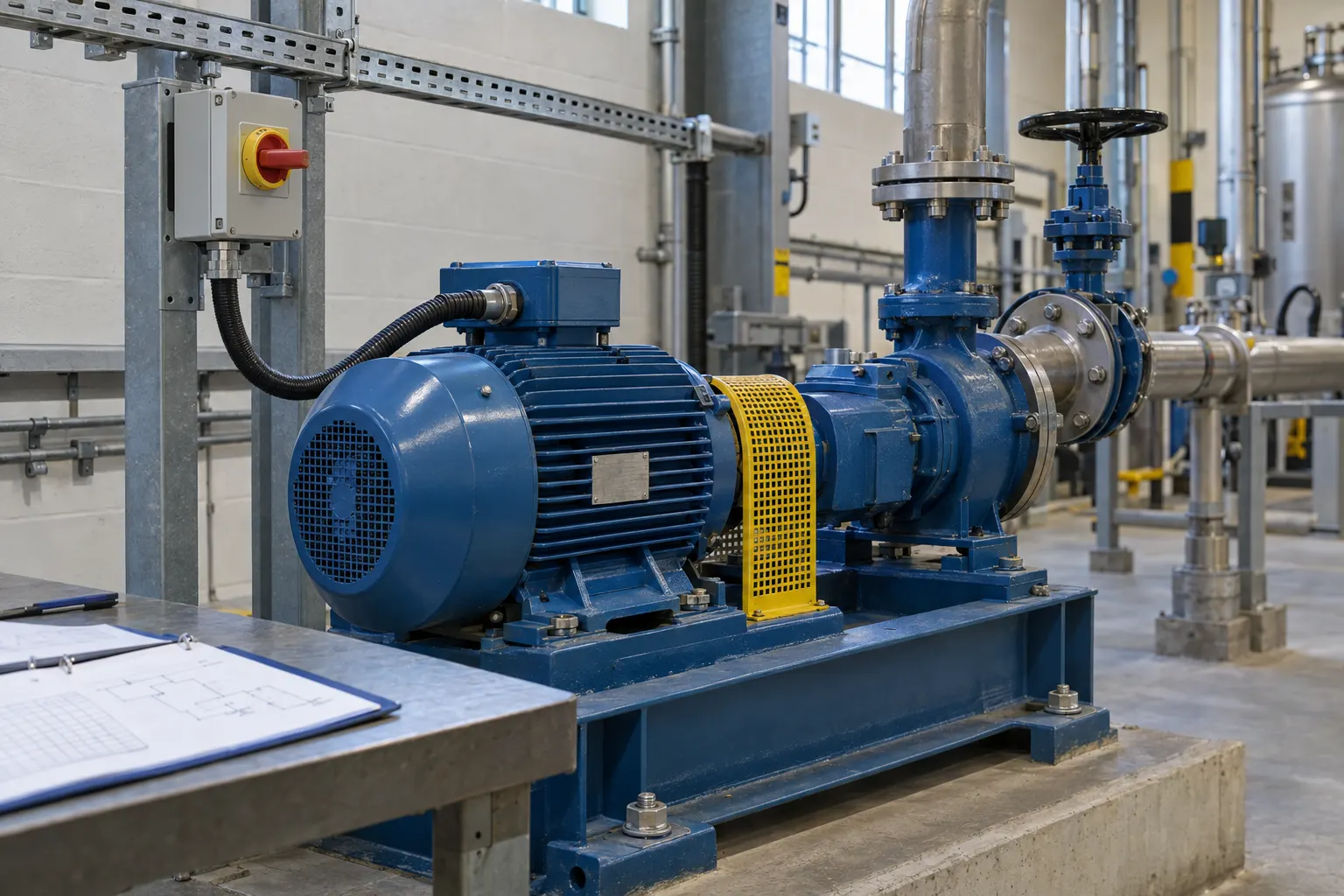
What listed sites must do during rota periods
Listing does not allow the whole site to carry on using power as normal. Sites must limit consumption to their protected critical function or to preventing asset damage.
That requires a clear view of which loads serve the protected purpose. Reviewing the site's industrial distribution systems can help establish how those loads are supplied and which other operations would need to stop or reduce demand.
Translate the protected function into an agreed list of equipment and operating needs. That is more useful than a broad instruction to keep production running, and gives shift teams a common basis for reducing non-essential demand.
Agree responsibilities and operating arrangements before an emergency, with competent people involved in any electrical changes. The operations team should understand the limits of the protection, not just know that the site is listed.
Eligibility is subject to periodic validation. Keep the supporting evidence current and review it when the site's processes change.
What ordinary power-cut planning still needs to cover
Whether listed or not, industrial power outage planning needs to address loss of supply and its return. National Grid's business guidance highlights equipment that may need a controlled reset or restart sequence.
- Critical functions. Identify equipment needed to stop a process safely or prevent damage, rather than treating every production load as equally essential. Confirm these priorities with the people responsible for the process.
- Existing backup arrangements. Establish what they are intended to support and what assessment, testing or maintenance they need. Record their limits rather than assuming the whole site is covered.
- People and communications. Name the person coordinating the response and keep network, equipment-support and electrical-contractor contacts accessible during an outage. Include shift cover if the usual manager is unavailable.
- Restart responsibilities. Record which equipment needs a controlled reset, the authorised personnel and the agreed sequence, using manufacturer guidance and site procedures. Distinguish restoring power from permission to resume production.
- Review points. Revisit the plan after process changes and use any interruption to identify gaps in records, responsibilities or restart arrangements. Assign responsibility for keeping the document current.
Keep the plan available if normal IT systems are down, and make sure shift teams know where to find it. Electrical switching, testing and changes to the installation must be left to competent, authorised people, not improvised from a general checklist.
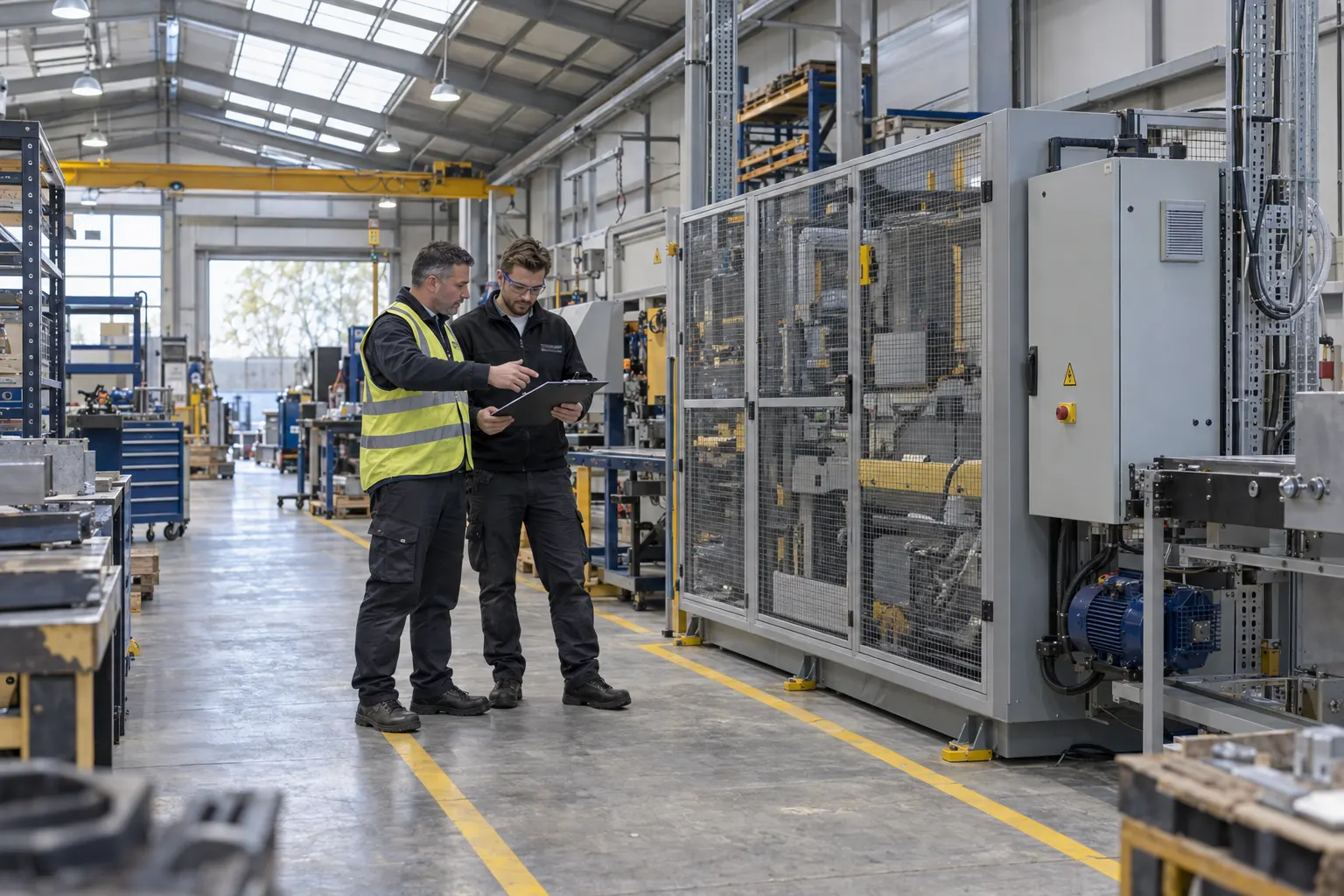
Where an industrial electrical review fits
An industrial electrical review can clarify how critical equipment is supplied and help set testing and maintenance priorities. Its job is to improve understanding of the installation, not to secure Protected Site status.
Bring available distribution records, process information and any existing shutdown or restart procedures to the discussion. That helps keep the review focused on the site's actual risks.
Maenporth Electrical Ltd provides industrial electrical work, electrical testing and planned industrial electrical maintenance from Maenporth, serving Falmouth, Penryn and wider Cornwall. To discuss your site's electrical condition and maintenance priorities, call 01326 250297.