
Before changing factory lighting, extraction controls or other electrical equipment, establish whether the surrounding process creates fire or explosion risks. A DSEAR assessment for factories can affect the work specification, contractor competence and maintenance arrangements, even when the business is not in the chemical sector.
For a Falmouth site manager, the first questions are practical: does an assessment exist, does it reflect today’s operation, and does the planned work need hazardous-area input? Settle those points before equipment is ordered or installation is booked.
Could DSEAR apply to your factory or quarry?
The Dangerous Substances and Explosive Atmospheres Regulations (DSEAR) require employers and self-employed people to assess risks from dangerous substances and eliminate or reduce them. HSE includes industrial premises, mines and quarries among its workplace examples.
The trigger is the risk arising from substances and activities, not the size or label of the business. DSEAR is also broader than hazardous-area zoning: identifying no zone does not, by itself, establish that there are no dangerous-substance risks to manage.
Maintenance needs this early check too. Replacing a light or inspecting existing plant does not remove the need to understand the surrounding risks. The work description alone cannot tell a contractor whether the task falls within an ordinary electrical scope.
Which substances and processes need attention?
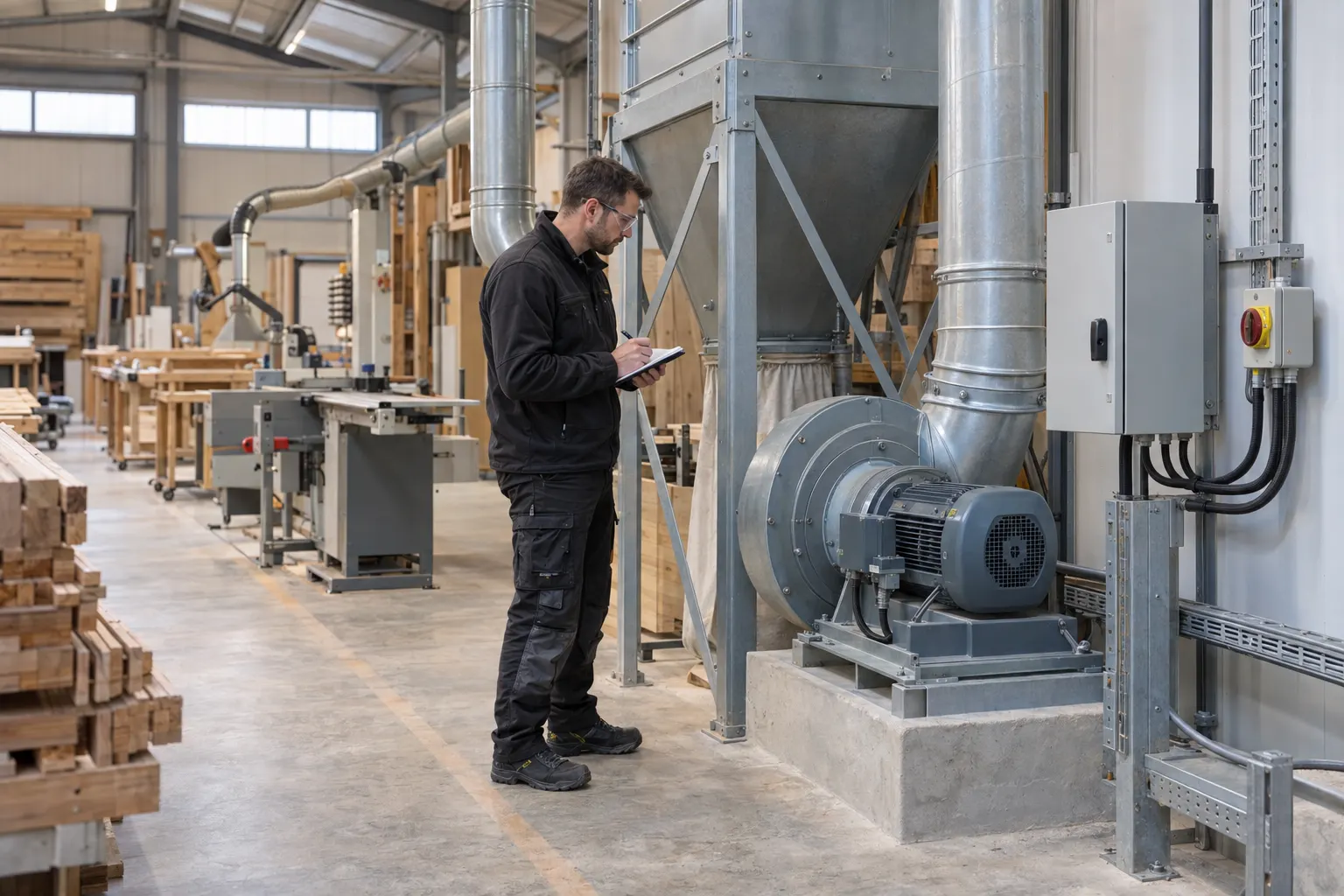
Flammable gases, vapours and mists can be relevant, as can combustible dusts capable of forming an explosive cloud. HSE’s examples include wood, flour, grain, sugar and certain metals. Not every industrial or quarry dust is combustible.
Look at what the site stores, uses and generates during processing, handling, cleaning and maintenance. For dust, the material and process matter; a visibly dusty area is not enough to determine whether explosion precautions are needed.
Also identify the controls the assessment relies on, such as extraction or ventilation. Changes to those arrangements can matter as much as moving electrical equipment.
How are DSEAR and ATEX different in Great Britain?
DSEAR concerns workplace risk management. Great Britain’s 2016 equipment regulations concern equipment and protective systems intended for potentially explosive atmospheres. The workplace duties and product requirements are related, not interchangeable.
Specifying ATEX equipment for industrial sites is not a substitute for assessing substances, processes and ignition risks. HSE’s explanation of DSEAR and ATEX sets out this distinction. Not every factory or quarry needs such equipment, and a product label cannot establish whether a site’s assessment or zone boundaries are correct.
When hazardous-area zones affect electrical work
Where hazardous explosive atmospheres may occur, the areas must be classified into zones. Classification depends on the likelihood of the atmosphere occurring and how long it persists. This needs competent assessment, not assumptions based on what a building looks like.
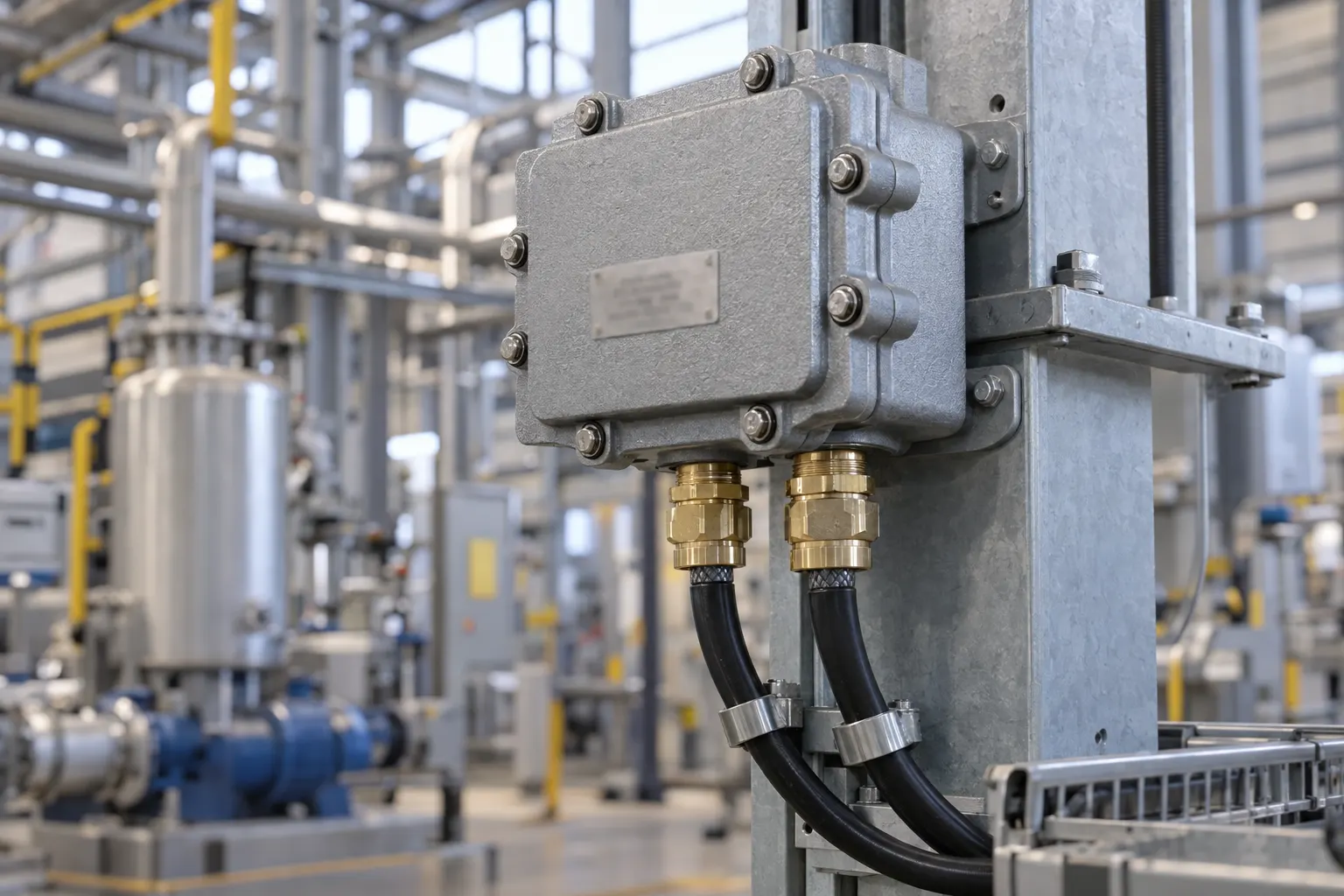
The findings affect equipment selection and the precautions for installation, alterations and maintenance. A replacement motor, light or control device should not be treated as an ordinary like-for-like swap without confirming its suitability for the assessed conditions. Electrical equipment for these environments is often referred to as Ex equipment.
A process change can change the electrical brief
A factory might introduce a different material or move a dust-collection point. The electrical task could appear to be only relocating a light or control panel, while the surrounding conditions have changed.
Before finalising the electrical specification, a competent assessor needs to establish whether the existing assessment and classification still apply. This is not a reason to label the whole building hazardous or order particular equipment by assumption; it is a reason to resolve the site-level question first.
An EICR or IP rating is not Ex verification
An electrical installation condition report (EICR) may identify relevant faults, but it is not proof of DSEAR suitability or competent explosion-safety verification. Likewise, what an IP rating tells you about protection against ingress does not establish whether equipment is suitable for an explosive atmosphere.
What to check before electrical work or process changes
Start with the current assessment and the proposed change, rather than a shopping list of equipment. Give those planning the work enough information to judge whether the existing conclusions still apply.
- Assessment and actions. The current document, its scope, review history and any unresolved findings.
- Substances and processes. What is used, stored or generated, with safety data and process information where available.
- Zone information. Any hazardous-area classification drawings and the assumptions behind them, including relevant ventilation or extraction.
- Equipment records. Relevant specifications, inspection and maintenance reports, and known defects.
- Proposed changes. Altered substances, plant, equipment, processes or layout that could affect the assessment.
- Responsibilities. Who manages site risks, provides specialist decisions and communicates restrictions to contractors.
Where dangerous substances may be relevant but there is no suitable assessment, arrange competent assessment input first. If an assessment exists, ask whether it covers the proposed activity and location. Do not leave an unanswered zoning question for the installer to resolve on arrival.
These are site-level decisions, additional to the usual checks before connecting industrial machinery.
Review the assessment when circumstances change
HSE’s guidance calls for planned reviews at intervals appropriate to the risk, and review after significant changes to substances, plant, equipment or processes, or after relevant accidents or dangerous occurrences. There is no single interval for every factory. Do not wait for a scheduled review if a significant change could affect the risks.
Who should assess, verify and carry out the work?
The employer remains responsible for managing DSEAR risks. Assessment and hazardous-area classification need people whose competence matches the substances and processes involved. General electrical experience alone should not be treated as evidence that someone can classify zones or undertake every type of hazardous-area electrical work.
For zoned workplaces, overall explosion safety must be verified by a person or organisation competent to consider the particular risks. Clarify what verification the project needs and who will provide it; this is distinct from routine electrical testing.
For a project involving both ordinary and zoned areas, make the boundaries clear in the brief. Identify which decisions belong to the site’s risk assessor and which tasks are within each contractor’s agreed competence. Do not assume a quotation for general electrical work includes hazardous-area classification, Ex inspection or explosion-safety verification. Confirm those responsibilities explicitly, together with any work restrictions and the records needed at handover.
Ex equipment inspection and maintenance need their own scope
HSE’s electrical guidance refers to initial and periodic inspection of Ex equipment. Inspection arrangements should reflect the equipment, risks and circumstances; a standard EICR schedule does not establish an appropriate Ex inspection programme. There is no universal Ex-inspection interval for every site.
Before appointment, confirm the competence needed for the specific installation, inspection or repair task. Agree what records and findings will be handed back to the site, and who will act on defects or changed conditions.

Discuss the general industrial electrical scope
Maenporth Electrical Ltd is based at Maenporth and serves Falmouth, Penryn and the wider Cornwall area. For general industrial electrical work, testing or planned maintenance, call 01326 250297. Specialist DSEAR assessment, zoning and Ex work require separately confirmed competence and scope.