
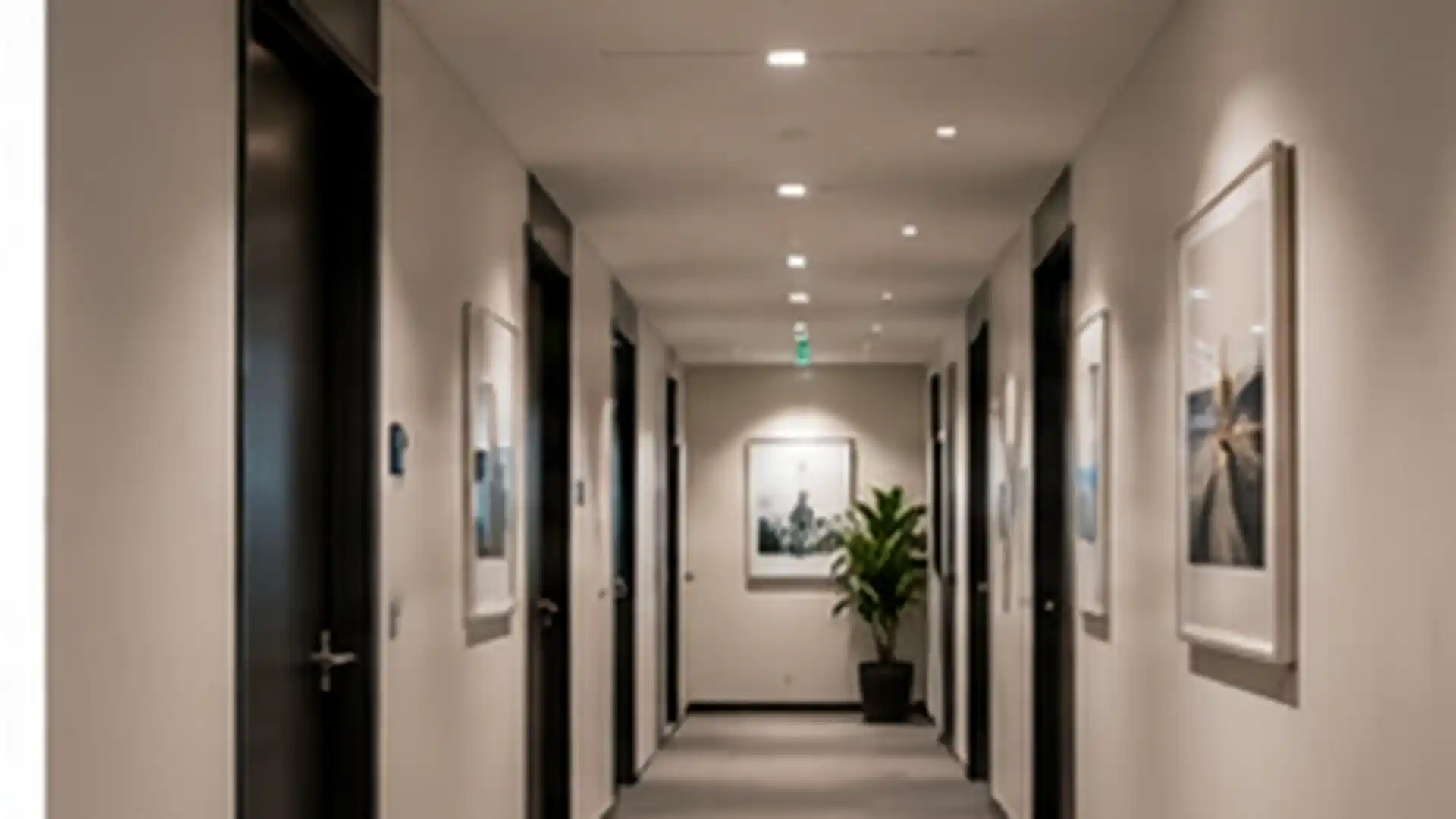
LED lighting upgrades are often discussed as an energy-saving exercise, but the best projects improve much more than the electricity bill. A well-planned upgrade can make a workplace easier to use, reduce maintenance, improve consistency, simplify controls and give a building a cleaner appearance. The key is to start with the space and the people using it rather than beginning with a catalogue of replacement fittings.
Start with the existing building
Every lighting project has a starting point: existing circuits, fittings, switching arrangements, emergency lighting, ceiling types and patterns of use. Some areas may be over-lit while others have poor coverage. Different generations of fittings may have been added over time. Controls may no longer match how rooms are occupied. Before deciding what to replace, it is worth understanding what is already there and which parts are actually causing problems.
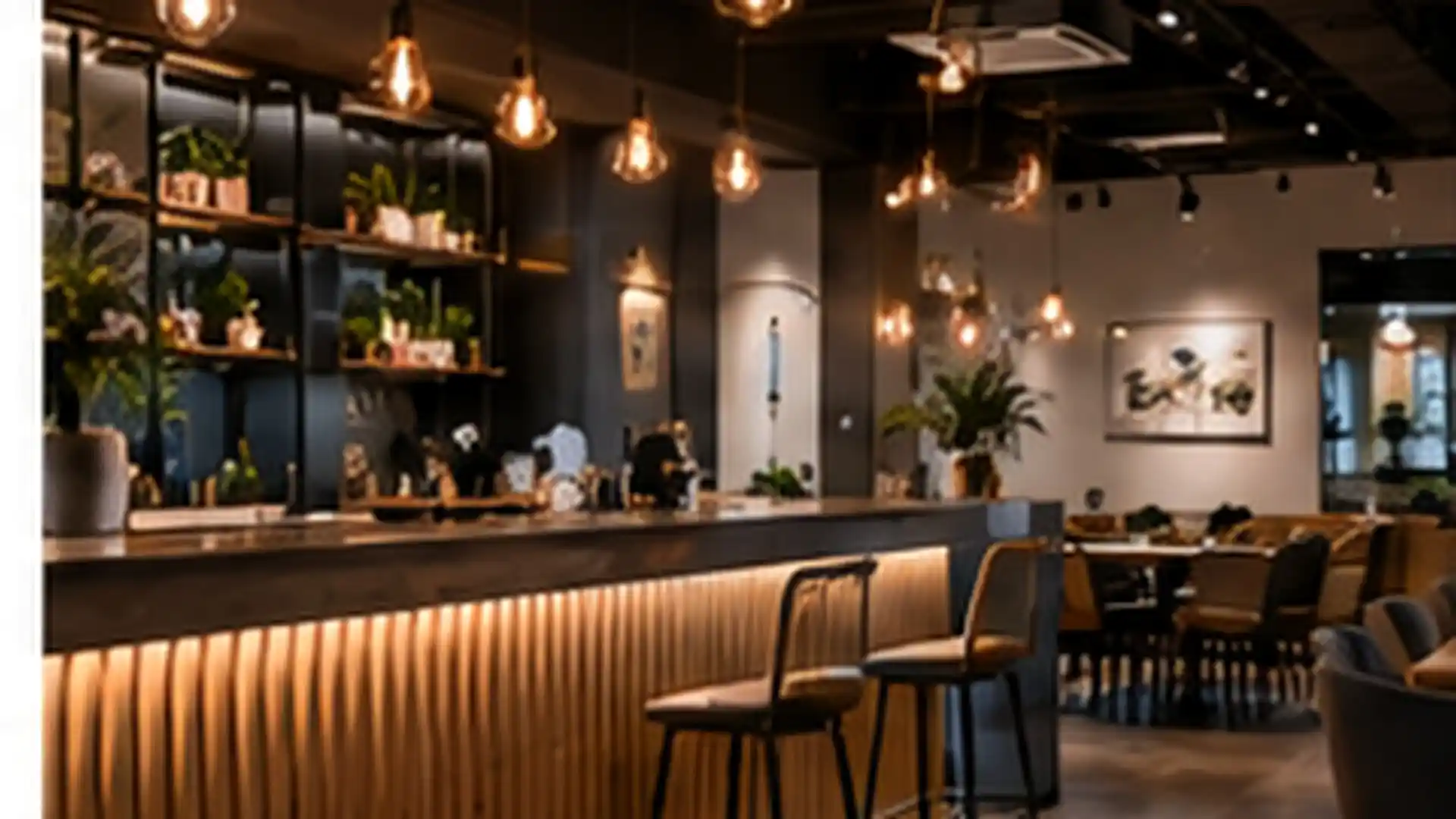
This is particularly important in commercial and leisure premises where lighting contributes to both function and atmosphere. An office needs comfortable, consistent illumination for working. A workshop needs clear visibility around equipment. A hospitality area may need warmer, more flexible scenes. Corridors, external areas and service spaces all have different priorities. One product rarely solves every part of the building.
Light quality matters
A successful LED upgrade should consider the quality and distribution of light, not only the wattage of the new fitting. Glare, colour appearance, shadows and uneven coverage can make an efficient installation unpleasant to use. The aim is to choose fittings and positions that suit the task and the room. Where the existing layout is poor, a like-for-like swap can simply reproduce the same problem with newer equipment.
- Review the way each room or external area is used.
- Check whether existing fitting positions still make sense.
- Consider glare and visual comfort, especially in offices and customer-facing areas.
- Use suitable colour appearance and output for the environment.
- Coordinate decorative, task and general lighting where more than one layer is needed.
Controls can save energy without annoying people
Controls are most useful when they match real occupancy. Presence detection can work well in stores, corridors, washrooms and intermittently used spaces. Daylight control can reduce unnecessary output near windows. Time scheduling may suit external or public areas. In other locations, simple manual switching remains the best answer. Overcomplicated controls that are difficult to understand can create frustration and end up being overridden.
The practical question is always the same: when does this light genuinely need to be on, and who needs to control it? A good design can reduce wasted running hours while keeping the building intuitive. Controls should also be accessible for maintenance and configured so that replacement or adjustment does not require unnecessary disruption.
Do not forget emergency lighting
A general lighting refurbishment is also a sensible time to review emergency-lighting arrangements. The two systems may share physical spaces but have different responsibilities. Existing emergency fittings, signs, test arrangements and records should not be accidentally compromised by a cosmetic upgrade. Where changes affect layouts or escape routes, the emergency-lighting provision needs to be considered as part of the wider work.
Maintenance is part of the business case
Energy savings are easy to focus on because they are visible in consumption, but maintenance savings can be equally valuable to a busy site. Older lamps and control gear may require frequent replacements, particularly where fittings are difficult to reach. A reliable LED system can reduce routine call-outs and the disruption associated with access equipment, closed areas or repeated fault finding.
That benefit depends on choosing equipment that can be supported. Extremely cheap fittings with no clear replacement path may create a different maintenance problem later. For commercial projects, it is worth considering consistency of product, availability of drivers or components, warranty support and whether the installation can be serviced without dismantling large areas of ceiling or finishes.
Plan the electrical work around the premises
Lighting upgrades are often carried out in occupied buildings. That makes phasing, isolation and housekeeping important. Work may need to be divided by floor, room, trading period or holiday window. Existing circuits should be identified properly so that the team knows what can be isolated and what must remain available. In some cases, circuit alterations or distribution improvements are sensible at the same time as the lighting work.
- Survey circuits and controls before ordering the full project.
- Agree a phasing plan that suits staff, guests, customers or production.
- Protect finishes and keep work areas controlled.
- Test altered circuits and record the completed work.
- Leave controls labelled and understandable for the people using the building.
A better result than a simple fitting swap
The strongest LED upgrades combine efficiency with usability. They remove inefficient or unreliable equipment, improve the way light is delivered and introduce controls only where those controls add value. They also leave the electrical installation easier to maintain. That is a more useful measure of success than counting how many fittings have been replaced.
For businesses and leisure operators across Cornwall, the opportunity is often to use a lighting project as a practical building upgrade rather than a narrow energy measure. Maenporth Electrical can look at the existing installation, discuss the way the premises operates and shape the work around the areas where improved lighting, simpler maintenance and sensible control will make the biggest difference.
Think about the whole life of the installation
The value of a lighting system is measured over years, not only on the day it is switched on. That means replacement components, cleaning, access, controls and future changes deserve attention during the design. A fitting that performs well but can only be replaced by dismantling a ceiling is not a particularly practical choice. Equally, a complicated control system may look impressive at handover but become a nuisance if nobody on site understands how to adjust it.
A maintainable scheme uses sensible product families, keeps drivers and controls accessible where possible and leaves enough information for the facilities team to understand what has been installed. For multi-building sites such as holiday parks or leisure facilities, consistency across common areas can also simplify spares and future maintenance.
Measure success in the building, not just on paper
After an upgrade, the important questions are simple: does the space feel better, are the controls intuitive, are areas lit when they need to be, and has unnecessary running been reduced? Those real-world outcomes are more useful than a specification that only looks good in a spreadsheet. By combining electrical condition, lighting quality and operating patterns, Maenporth Electrical can help clients arrive at a scheme that is efficient without compromising the way the premises needs to work every day.