
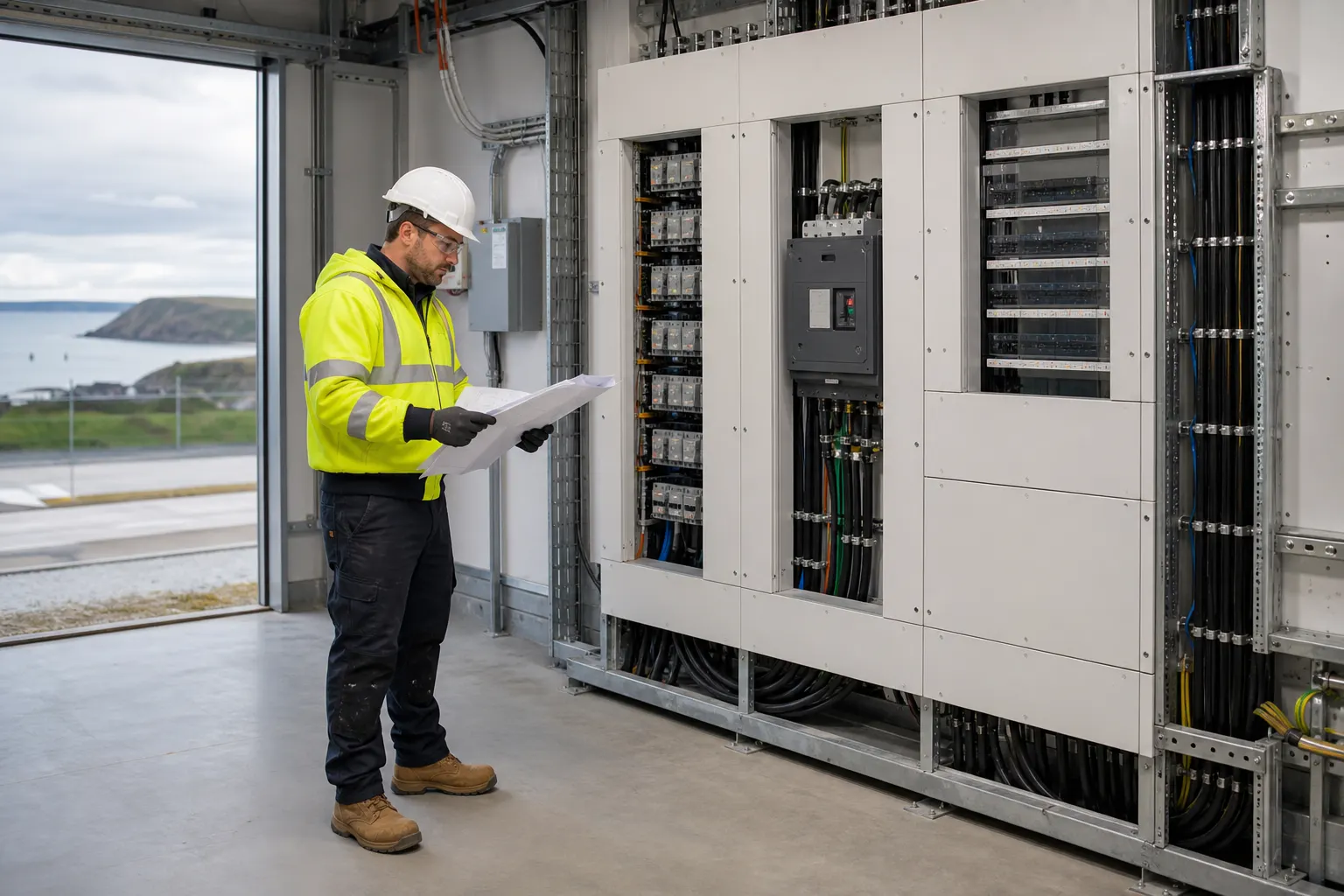
When a business searches for Maenporth Electrical in Falmouth, it may be looking for more than somebody to complete a single electrical task. On a factory, quarry, holiday park, golf facility, commercial property or larger rural site, the immediate job often sits within a much wider electrical system.
A new machine may affect available capacity. An EV charging proposal can change peak demand. Solar generation may need to work alongside existing distribution equipment. Testing can identify priorities that influence a planned refurbishment or maintenance programme.
Maenporth Electrical Ltd is based at Maenporth and serves Falmouth, Penryn and the wider Cornwall area. Industrial, commercial and renewable energy work leads our service focus, supported by electrical testing, planned maintenance, EV charging and domestic electrical work. The purpose of this update is to explain why that combination matters to operators of larger and more complex sites.
Larger sites rarely have isolated electrical decisions
A small alteration can be straightforward when the installation is simple and its future use is unlikely to change. Larger operational premises are different. They may contain several distribution boards, outdoor supplies, older and newer equipment, three-phase loads, tenant areas, machinery, accommodation buildings or infrastructure spread across a wide area.
In these settings, treating each request as a completely separate project can create avoidable constraints. A cable installed for today's load may not suit the next phase. A distribution board selected without considering future circuits can limit expansion. Solar, batteries or charging equipment can be harder to integrate if the condition and capacity of the existing installation have not been considered first.
This is why our approach to commercial electrical work is relevant beyond the immediate installation. The useful question is not only whether a particular item can be connected, but how it fits the site's present condition, operational demands and likely direction.
What joined-up electrical planning should consider
The existing installation
Planning starts with what is already on site. Available information may include electrical drawings, distribution schedules, previous inspection reports, test results, maintenance records and details of known faults or alterations. Where records are incomplete, appropriate survey work may be needed before firm design decisions are made.
The age of equipment alone does not determine whether it needs replacement. Condition, suitability, loading, access to parts, fault history and the consequences of failure can all matter. The aim is to distinguish between equipment that remains serviceable, items requiring attention and areas that may restrict future work.
How the site operates
Electrical design cannot be separated from operations. A technically possible shutdown may be commercially impractical during production, peak visitor periods or essential site activity. Access routes, environmental conditions, process risks and the needs of other contractors can also affect how work should be planned.
Early operational input helps establish where temporary arrangements, phased isolation or work outside normal activity may need consideration. It can also identify circuits or equipment whose loss would have a disproportionate effect on the site.
Expected demand and future projects
A site does not need a final specification for every future improvement, but known ambitions should be raised early. Additional machinery, building extensions, electric heating, vehicle charging, solar generation and battery storage can all change the electrical picture.
Useful information to assemble before an initial discussion includes:
- the immediate problem or proposed project;
- known future loads, extensions or changes of use;
- existing drawings, reports and circuit information;
- normal operating hours and restricted access periods;
- equipment or areas that cannot be shut down without planning;
- any recurring trips, overheating, voltage issues or unexplained interruptions;
- renewable energy or EV charging plans being considered; and
- the preferred timescale and any fixed operational deadlines.
This information does not replace a site assessment. It helps make the first conversation more productive and reduces the risk of an important constraint emerging late.
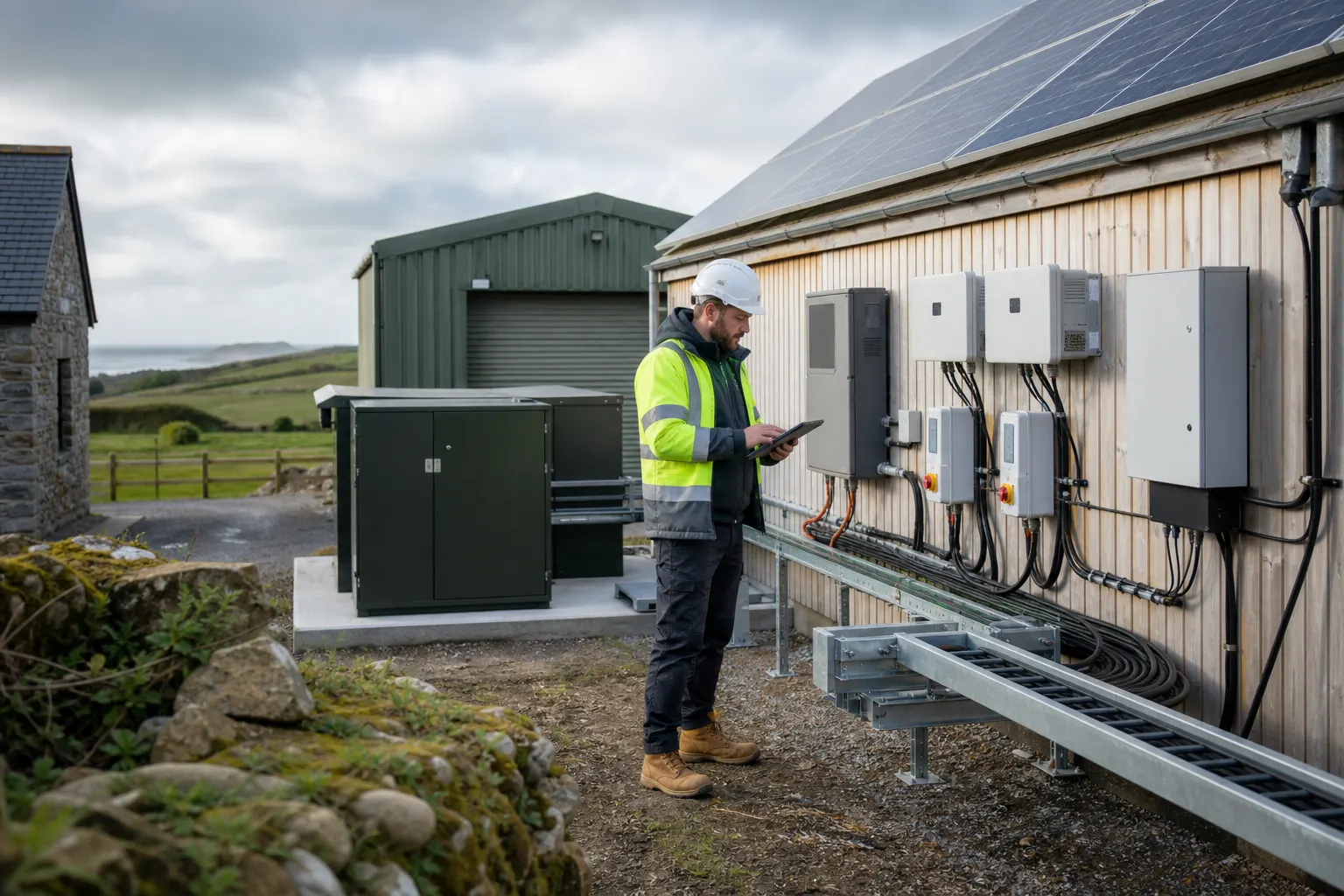
Safety and competence remain central
Joined-up planning is not simply about convenience or preparing for growth. Electrical systems must be operated and maintained without giving rise to danger, and the people carrying out electrical work must be competent for the task involved.
The Health and Safety Executive guidance on work involving electrical installations explains that the level of competence required depends on the complexity of the work and the knowledge needed. On a larger site, that complexity can extend beyond the component being replaced to isolation arrangements, connected machinery, environmental conditions and the wider distribution system.
Current standards must also be identified at the design and delivery stages. Requirements and industry guidance develop over time, particularly in areas such as energy storage and other emerging electrical technologies. A project discussed months before installation may therefore need its technical basis checked again before work proceeds.
Different sites create different priorities
Quarries and factories
Industrial premises may place particular importance on three-phase distribution, motor loads, machinery supplies, environmental exposure and production continuity. Maintenance and upgrade decisions should account for the effect of an interruption as well as the condition of the electrical equipment itself.
Holiday parks, campsites and leisure facilities
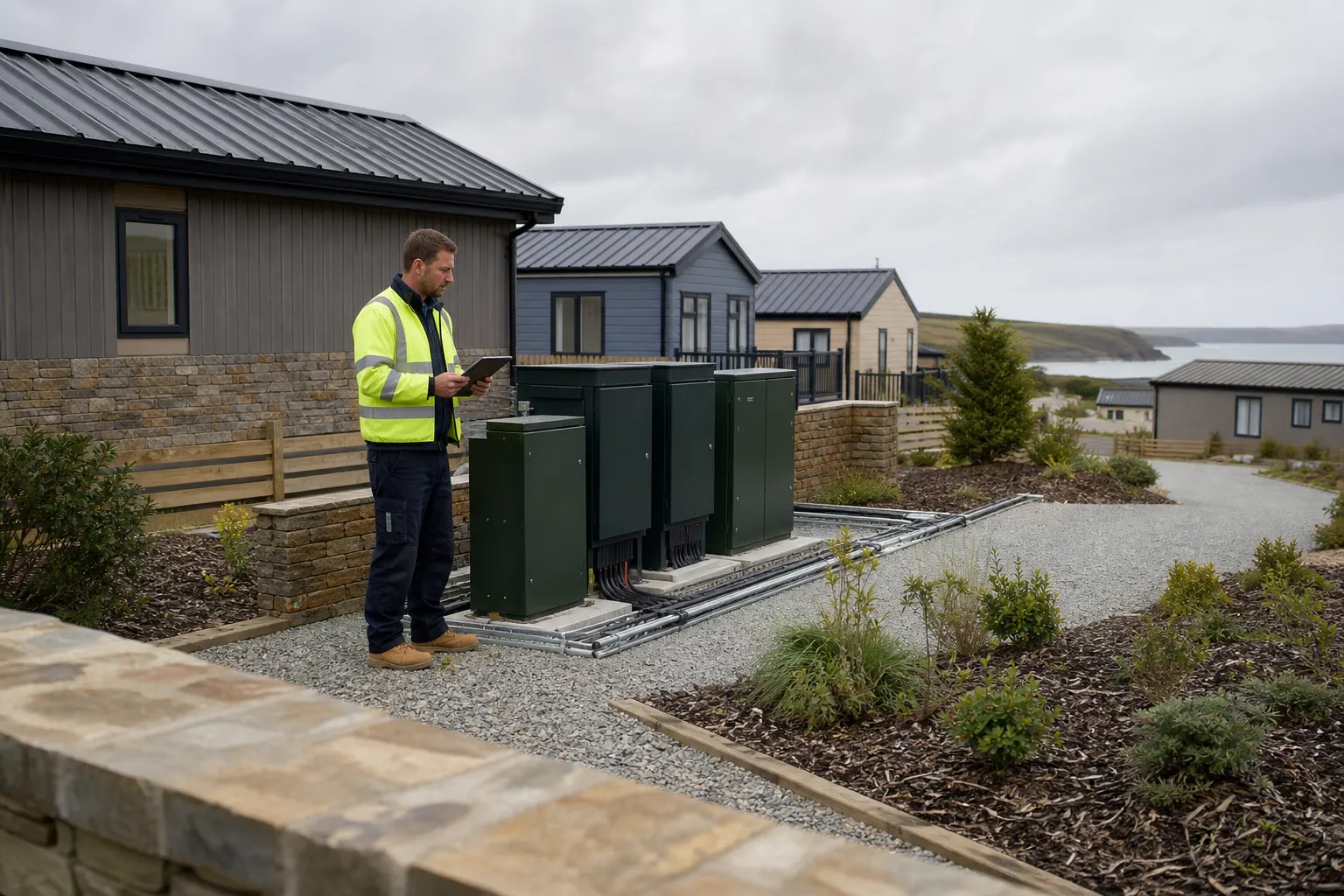
Visitor sites often combine accommodation, communal buildings, outdoor distribution, lighting, service areas and seasonal demand. Golf and leisure premises may have similarly varied loads spread across a wide site. Future charging facilities or renewable generation can add another layer to capacity planning.
Commercial premises
Shops, offices, workshops and mixed-use buildings can change gradually through fit-outs, new equipment and altered layouts. Those individual changes may eventually leave circuit information, emergency systems or distribution arrangements out of step with the way the premises are now used.
Larger rural sites
Rural premises may involve long cable routes, separate buildings, external equipment and limited opportunities for disruption. A whole-site view can help identify where distribution, earthing, protection, access and future energy projects need to be considered together.
A joined-up plan does not require one large project
Looking at the whole site does not mean that everything must be replaced or upgraded at once. In many cases, the more practical outcome is a phased plan.
Urgent safety issues can be addressed first. Work required for an immediate operational change can follow. Lower-priority improvements can then be coordinated with maintenance windows, refurbishments or future investment. This allows decision-makers to separate what is necessary now from what should be allowed for later.
Phasing can also protect earlier investment. If the likely next stage is understood, containment, distribution equipment or cable routes can be assessed with that direction in mind. The result should not be unnecessary over-specification, but fewer decisions made without context.
Where Maenporth Electrical fits
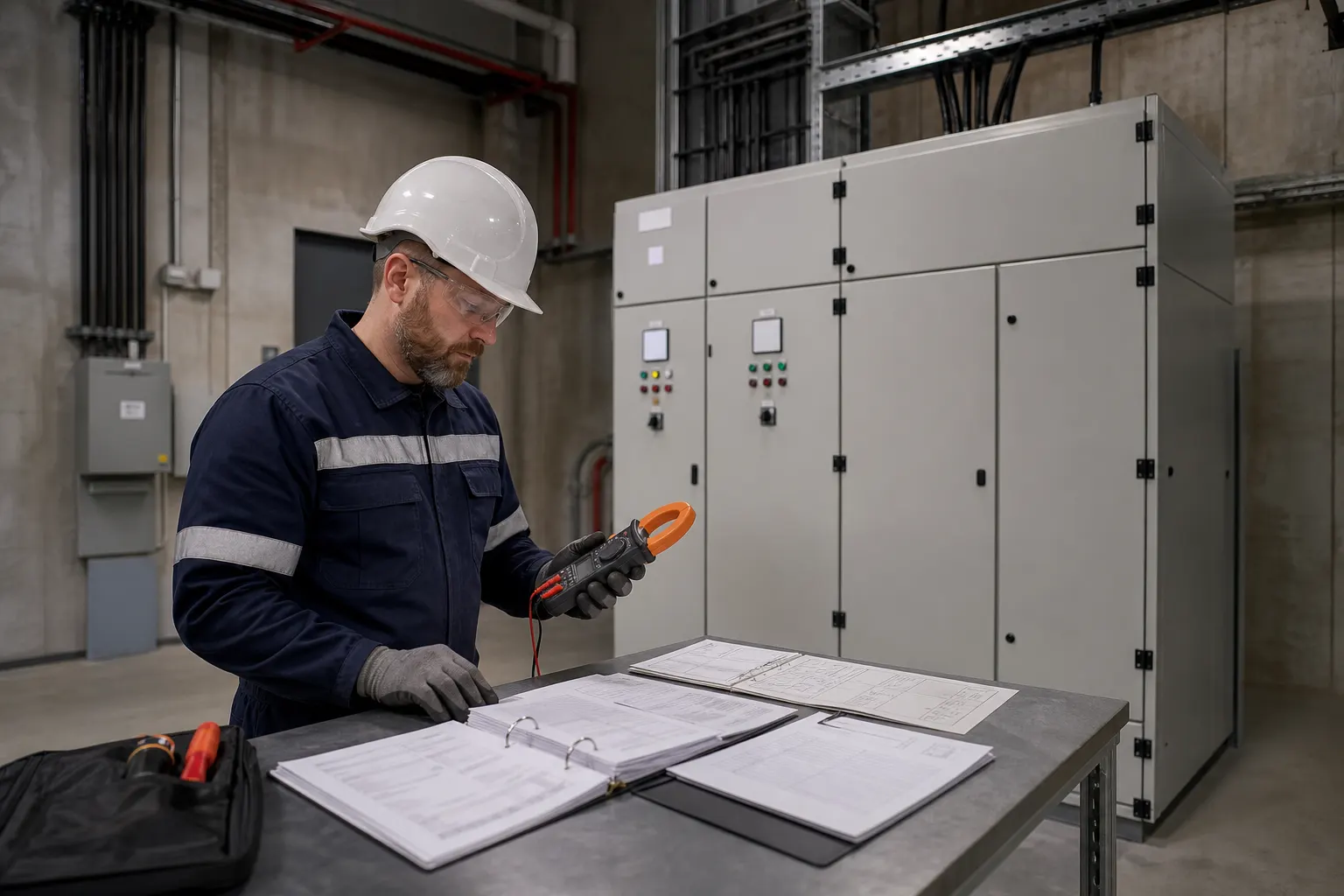
Maenporth Electrical supports industrial and commercial electrical work, solar and renewables, electrical testing, planned maintenance and EV charging across Falmouth, Penryn and wider Cornwall. Domestic electrical work is also available, although our main business focus is on sites where technical planning, coordination and the wider installation matter.
That range allows a conversation to begin with the site's actual requirement rather than forcing every issue into a single service category. Testing findings can inform maintenance. Capacity questions can be considered before an expansion. Renewable energy and charging proposals can be viewed in relation to existing distribution and expected demand.
If you are responsible for a larger site in Falmouth or elsewhere in Cornwall, you can contact Maenporth Electrical to discuss the immediate work, known constraints and future plans. Call 01326 250297 to start a practical conversation about your site.