
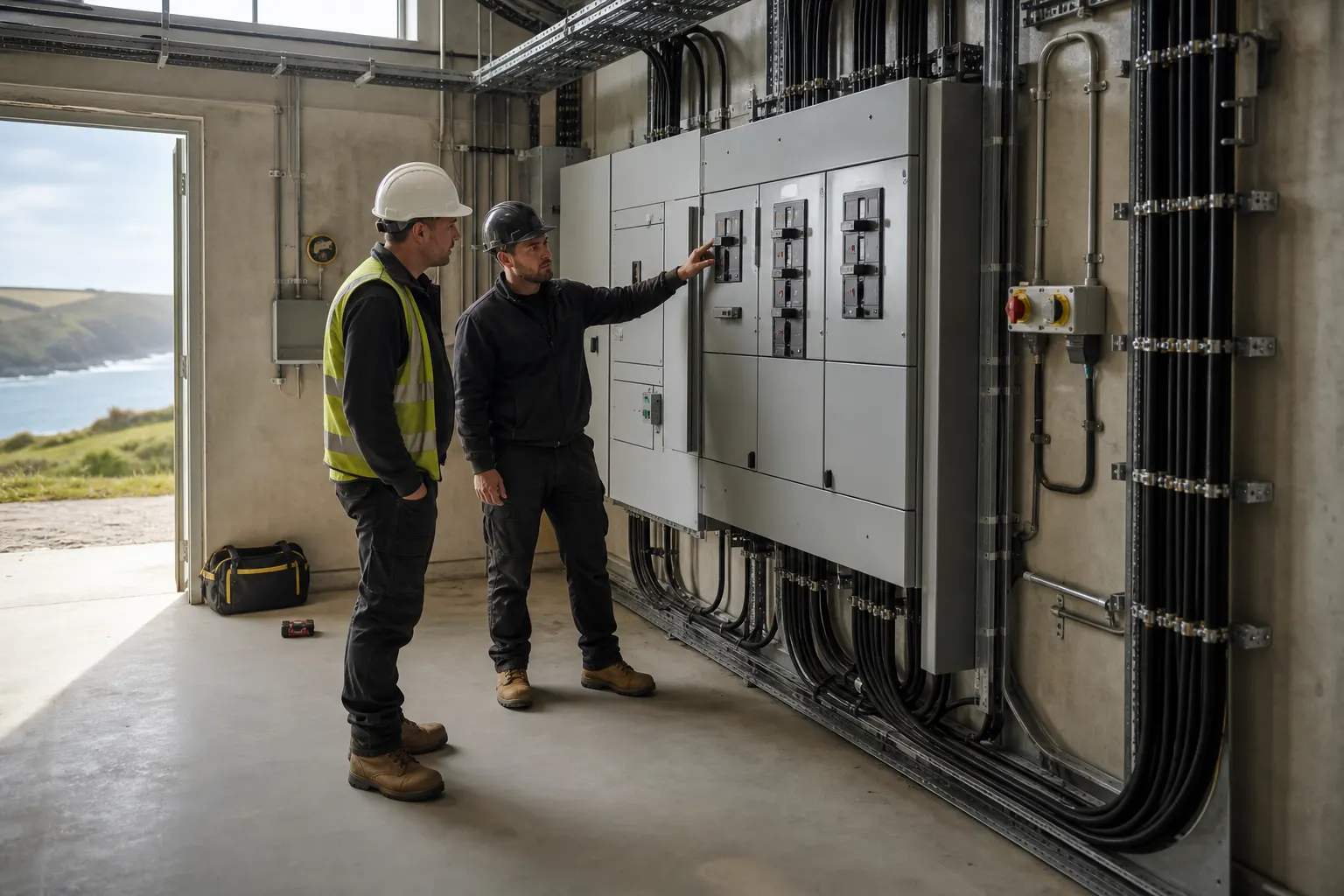
Electrical work on a busy site is rarely just a matter of installing a circuit, changing equipment or connecting a new load. The technical task sits inside a wider operation involving people, production, access, maintenance, safety procedures and deadlines.
That is why Maenporth Electrical takes a site-focused approach. Based at Maenporth and serving Falmouth, Penryn and wider Cornwall, the company supports industrial and commercial electrical systems, testing, planned maintenance, solar and renewables, EV charging and domestic work.
Being site-focused means looking beyond the immediate electrical request. It means understanding how the premises operate, what must remain available and how today’s work could affect future changes. You can read more about Maenporth Electrical and its service scope, but this article explains what that approach means in practice.
Site-focused planning starts with what must keep working
A useful first question is not simply, What needs to be installed? It is, What does this site need to keep doing while the work takes place?
For a factory, that may mean protecting a production schedule and coordinating isolation around machinery. At a quarry, vehicle movements, harsh conditions and geographically spread equipment can influence access and cable routes. A holiday park may need work phased around guests, seasonal demand and the operation of communal facilities.
Commercial premises in and around Falmouth can present different constraints again. Staff, customers, deliveries, tenants or members of the public may all be using the building. Work that appears straightforward on a drawing may require careful sequencing once those operational realities are considered.
A site-focused electrical contractor therefore needs to understand critical loads, acceptable downtime and the consequences of interrupting particular circuits. Sometimes the most technically convenient programme is not the most practical one for the client.
The first questions are not only electrical
A site visit or early project discussion should establish more than the proposed equipment rating. Depending on the work, useful questions can include:
- Which buildings, processes or services must remain operational?
- Are there known shutdown windows or quieter periods?
- Who controls access, permits and electrical isolations?
- Are existing drawings, circuit schedules and inspection records available?
- Could the work affect fire alarms, emergency lighting, security, data or control systems?
- Are there asbestos records, hazardous areas or site-specific induction requirements?
- Will vehicles, guests, staff or production equipment share the work area?
- Are further buildings, machinery, chargers or renewable systems likely to be added?
Not every question will apply to every project. The purpose is to identify the details that can materially change the design, programme or method of work before installation begins.
Coordination is part of safe project delivery
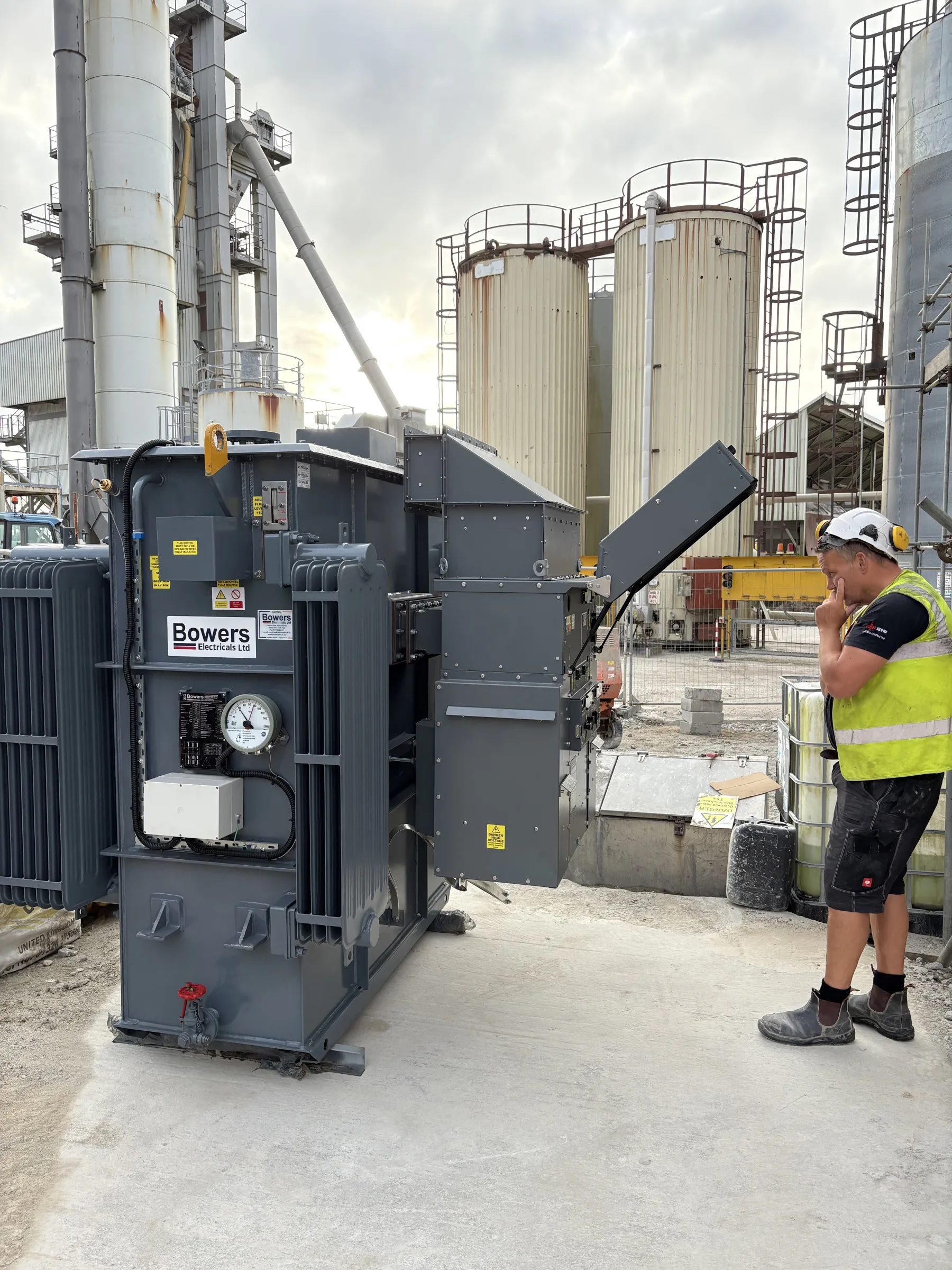
Commercial electrical work is often one part of a broader project. Builders, machinery suppliers, groundworkers, renewable specialists, network operators and other trades may all have linked responsibilities.
The Health and Safety Executive explains that commercial clients must make suitable arrangements for managing construction projects and provide relevant pre-construction information. Its guidance on commercial client responsibilities under CDM 2015 is a useful starting point for understanding those duties.
Effective coordination helps establish who is responsible for enabling works, access, shutdown approval and reinstatement. It can also expose gaps between different packages. A new machine, for example, may require more than a suitable final connection. The upstream distribution, protective devices, isolation arrangements, cable route and wider site capacity may all need consideration.
This is particularly important where several projects are happening at once. A solar installation, EV charging scheme, refurbishment and new operational load can each look reasonable in isolation while collectively placing very different demands on the electrical infrastructure.
Different Cornwall sites bring different priorities
Factories and quarries
Industrial sites often depend on machinery, control systems and three-phase distribution. The cost and operational effect of downtime may be significant, so the sequence of investigation, isolation, installation, testing and recommissioning matters.
Conditions can also influence equipment selection and maintenance. Dust, moisture, vibration, impact risk and outdoor exposure should be considered where relevant. The aim is not simply to complete an installation, but to make sensible decisions for the environment in which it will operate.
Holiday parks, campsites and leisure sites
Visitor sites can experience pronounced seasonal changes in electrical demand. Their networks may serve accommodation, shower blocks, kitchens, laundries, entertainment areas, offices, outdoor lighting and EV chargers across a wide area.
Planning needs to consider both peak demand and the practical timing of work. An upgrade that is manageable during a quiet period may be highly disruptive during the main visitor season. Phasing can also allow essential sections of a site to remain available.
Commercial premises in Falmouth and Penryn
Shops, offices, workshops, hospitality premises and multi-use buildings each have their own operating patterns. Public access, neighbouring occupiers and restricted service areas may shape how work is organised.
Older premises can also contain several generations of electrical alteration. Existing labels and records are helpful, but appropriate investigation may still be needed to confirm how circuits are actually arranged before changes proceed.
Larger rural and renewable sites
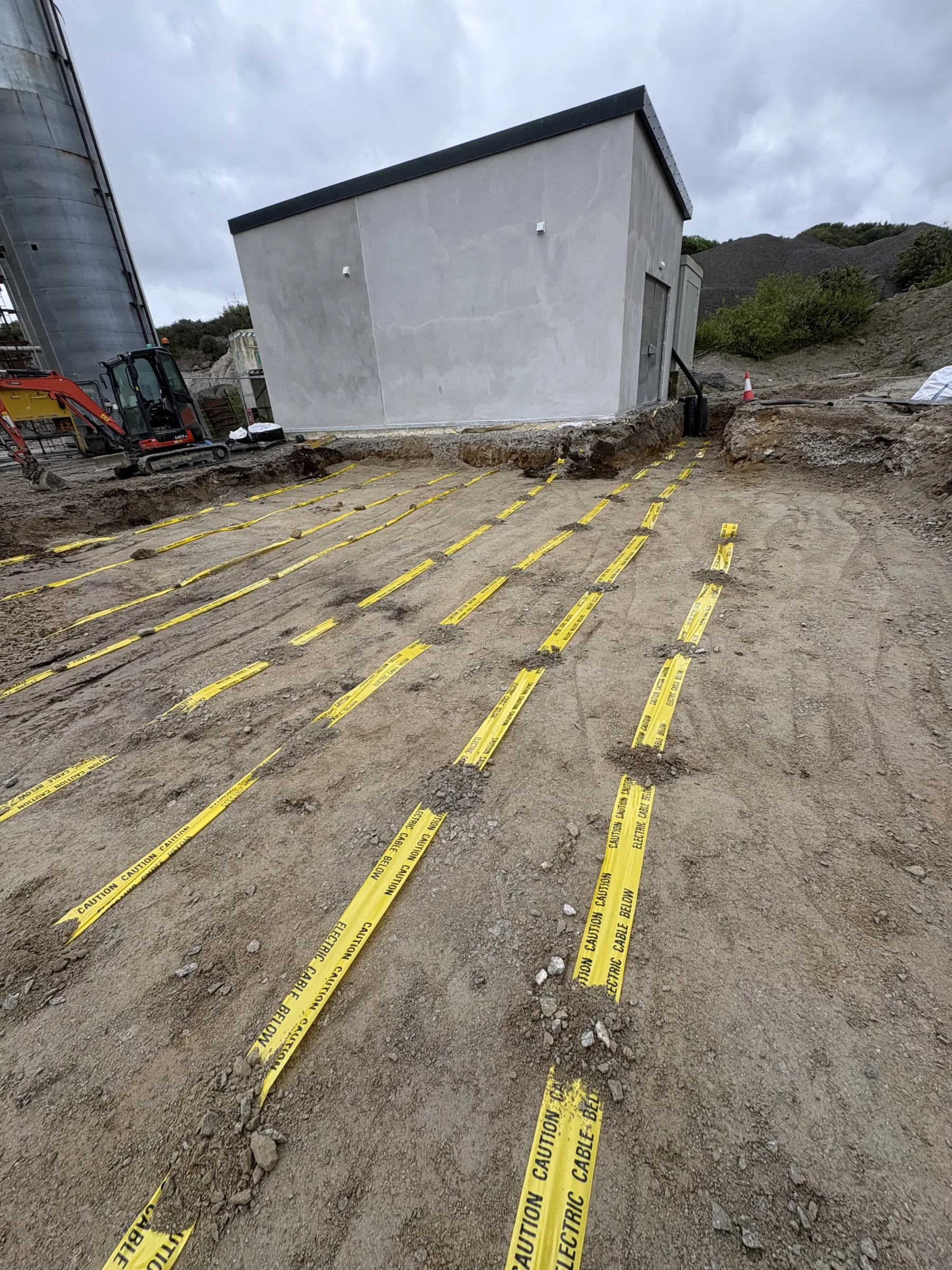
Rural sites may have long cable routes, separate buildings and limited points of supply. Adding solar generation, battery storage, EV charging or new equipment therefore needs to be considered in relation to the whole electrical system.
Access for installation is only one part of the decision. Future inspection, maintenance, vegetation management, equipment replacement and safe isolation should also influence the layout.
A wider view can prevent disconnected decisions
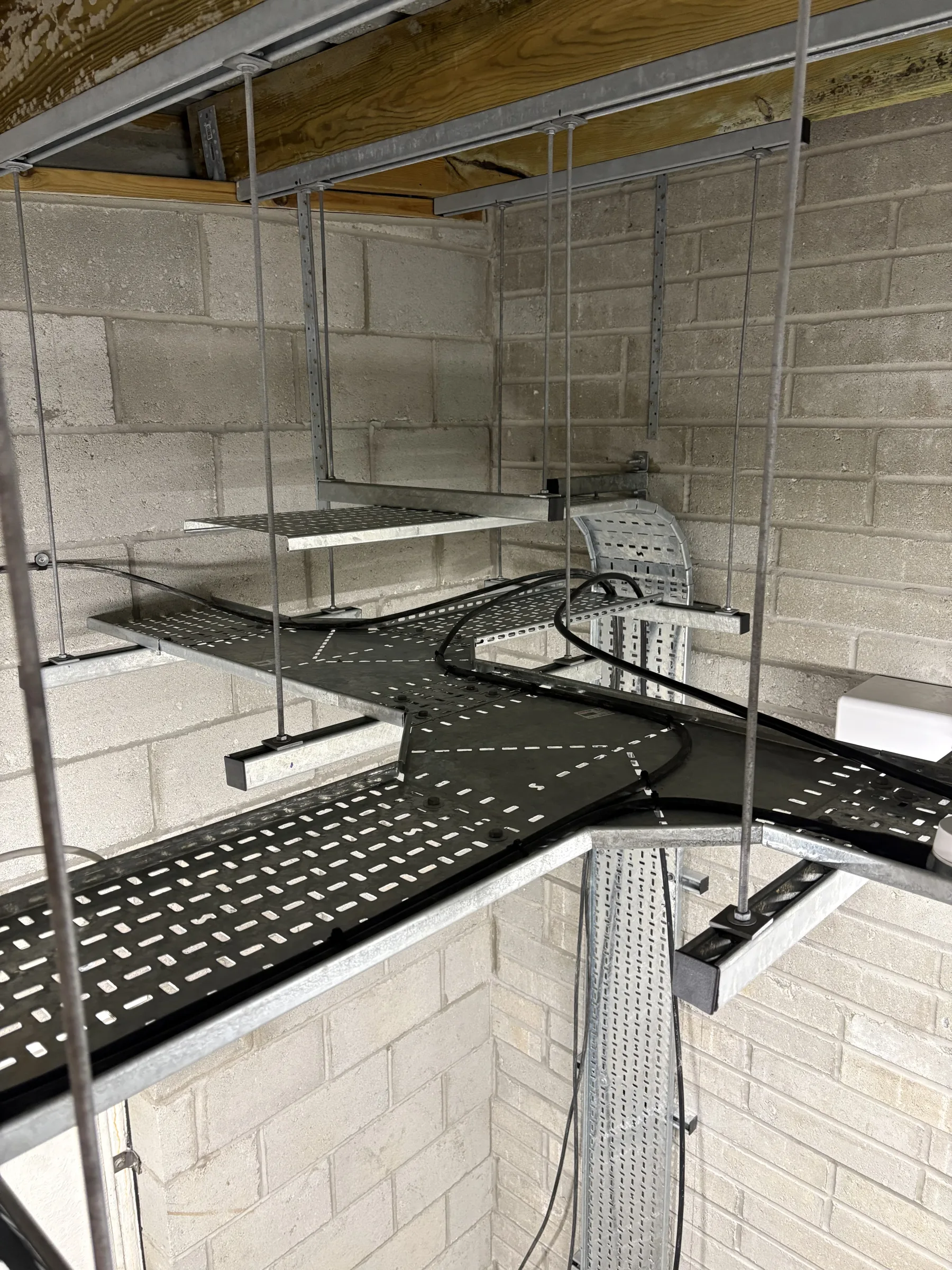
Maenporth Electrical’s service scope covers installation, testing, maintenance and renewable technologies. For clients, the practical advantage of considering these areas together is that one proposed change can be reviewed against the rest of the site.
An inspection may identify priorities that should be addressed before an expansion. Load monitoring may be appropriate where actual demand is unclear. Maintenance findings may affect whether existing switchgear should support additional equipment. A planned lighting upgrade may also be an opportunity to review controls, emergency provision or distribution.
This does not mean every project has to become larger. It means the boundaries should be understood. Clients can then decide what belongs in the present scope, what should be allowed for and what can remain a separate future phase.
What to prepare before discussing site electrical work
Complete documentation is not essential before making an initial enquiry. However, the following information can make the first conversation more productive:
- A clear description of the problem, proposed equipment or intended change.
- The site address and the areas likely to be affected.
- Any important operational dates, shutdown limits or seasonal constraints.
- Available drawings, circuit schedules, inspection reports or energy data.
- Details of other contractors or equipment suppliers involved.
- Known future plans that could alter electrical demand.
- The person responsible for access and operational decisions on site.
Photographs can provide useful initial context, but they do not replace appropriate site assessment where the existing installation, access or working conditions need to be verified.
Discuss your site with Maenporth Electrical
Maenporth Electrical supports commercial, industrial, leisure and larger rural sites in Falmouth, Penryn and across Cornwall, alongside renewable energy, EV charging, testing and planned maintenance work.
If you are considering an upgrade, investigating an electrical issue or planning changes across a working site, contact Maenporth Electrical or call 01326 250297. Early information about operations, access and future plans can help define a practical next step.