

An electrical installation develops a history. Distribution boards are extended, machinery changes, new buildings are connected and equipment such as solar PV, battery storage or EV chargers may be added. Even apparently minor alterations can affect how the wider system should be understood and managed.
For Maenporth Electrical in Falmouth, this makes site knowledge an important part of supporting commercial, industrial and larger rural premises. The value is not simply knowing where a particular cable runs. It is having reliable information about what has changed, why it changed and how different parts of the installation now interact.
This article explains why continuity and accurate records matter to the way Maenporth Electrical approaches work across Falmouth, Penryn and the wider Cornwall area.
Electrical work rarely happens in isolation
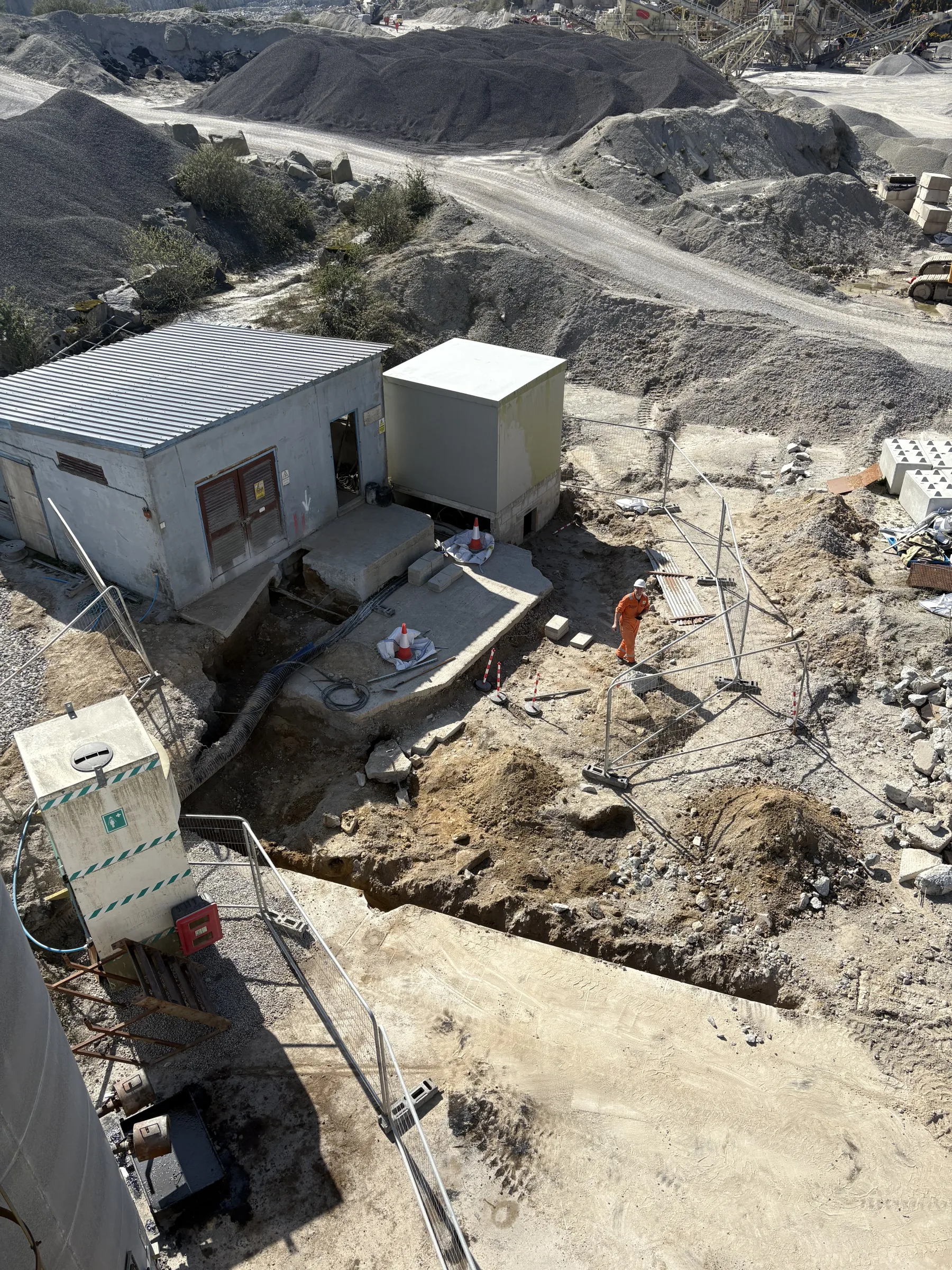
On a straightforward installation, a contractor may be able to establish the required information relatively quickly. Larger operational sites are different. A factory, quarry, holiday park, golf facility or multi-building commercial property can contain several distribution levels, varied equipment and additions from different periods.
A request for one new circuit may raise wider questions:
- Does the relevant distribution board have suitable capacity?
- Are circuit schedules and labels accurate?
- What protective devices are installed upstream?
- Will the new load affect an existing operational constraint?
- Are there planned projects that should be considered at the same time?
- Will isolation interrupt other buildings, processes or guest facilities?
These are not reasons to make a project unnecessarily complicated. They are reasons to establish the right scope before work begins. Good site information helps separate genuine technical dependencies from assumptions.
What useful site history actually includes
Site history is broader than a folder of certificates. It can include drawings, circuit schedules, inspection reports, test results, equipment manuals, protection settings, maintenance records and details of previous alterations.
Operational knowledge matters too. A facilities manager may know that a particular feeder serves more equipment than its label suggests, that a process cannot be interrupted during certain hours or that an apparently spare area is reserved for a planned expansion.
Records should reflect the installation as it exists
Documentation becomes less useful when it no longer matches the site. A clear circuit schedule from ten years ago cannot safely be assumed to describe every subsequent alteration. Labels may have been damaged, loads moved and temporary arrangements retained for longer than expected.
The HSE guidance on the Electricity at Work Regulations explains that maintenance records, including test results, can help dutyholders monitor equipment condition and the effectiveness of maintenance policies. It recommends retaining these records throughout the working life of an electrical system.
Records support informed planning, but they do not replace appropriate surveying, inspection or testing. Information from drawings and labels should be checked against the installation where the work requires it.
Missing information is itself useful information
Older or repeatedly altered sites do not always have a complete record. Recognising that gap early allows time for investigation rather than discovering it during a shutdown or installation visit.
Depending on the project, rebuilding the picture might involve tracing circuits, confirming supplies, reviewing existing reports, inspecting distribution equipment or updating labels and schedules. The appropriate extent depends on the installation and the work being considered.
Continuity can improve planning without limiting choice
Using a contractor familiar with a site can reduce the amount of background information that must be rediscovered for each project. Previous knowledge may help identify likely constraints, relevant records and the people who need to be involved.
Continuity should not mean relying on memory or making undocumented assumptions. The stronger approach is to convert knowledge into usable records. That makes the installation easier to manage whether the next task is handled by the same contractor, another specialist or an internal site team.
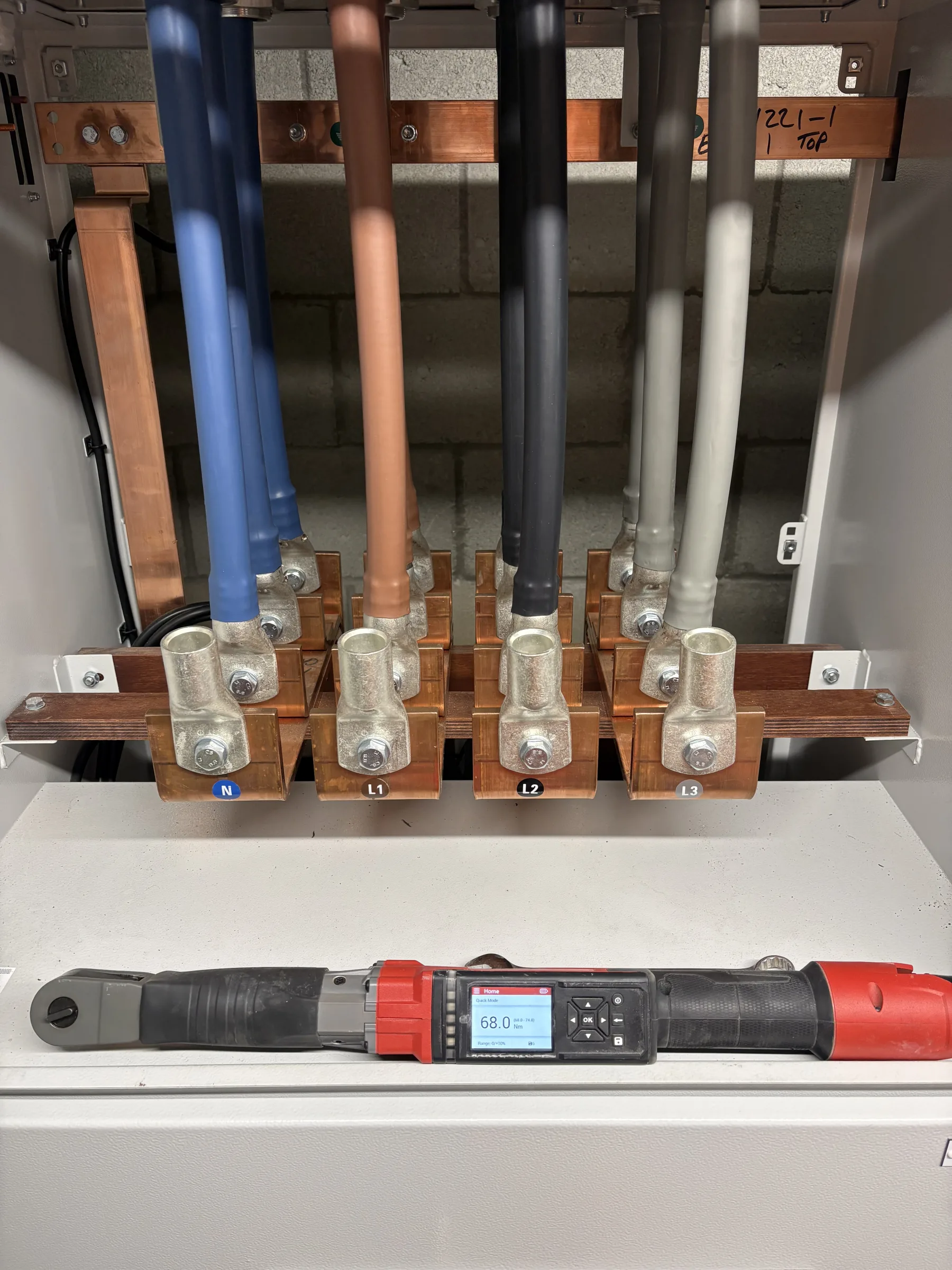
A practical handover should allow a competent person unfamiliar with the project to understand what was installed, what was tested and whether any limitations or follow-up actions remain.
Why this matters on changing Falmouth sites
Commercial and industrial premises rarely stand still. A Falmouth business might alter a production area, refurbish part of a building, add electric heating, install vehicle charging or consider on-site generation. Holiday and leisure sites may add accommodation, catering equipment, lighting or new guest facilities over several phases.
Each project can be reasonable on its own while still contributing to a wider capacity, protection or maintenance issue. Looking at the existing electrical history helps the site team ask whether the immediate request fits the longer-term direction of the premises.
Testing can reveal trends as well as defects
An inspection report provides information about the condition of the installation at the time of inspection. When reports and maintenance findings are retained, they can also help identify recurring concerns or areas where deterioration deserves closer attention.
This does not mean every result should be compared without context. The extent of inspection, limitations, equipment condition and changes to the installation all matter. The aim is to preserve enough information for sensible technical review rather than treating every document as an isolated compliance exercise.
Renewables still depend on the underlying installation
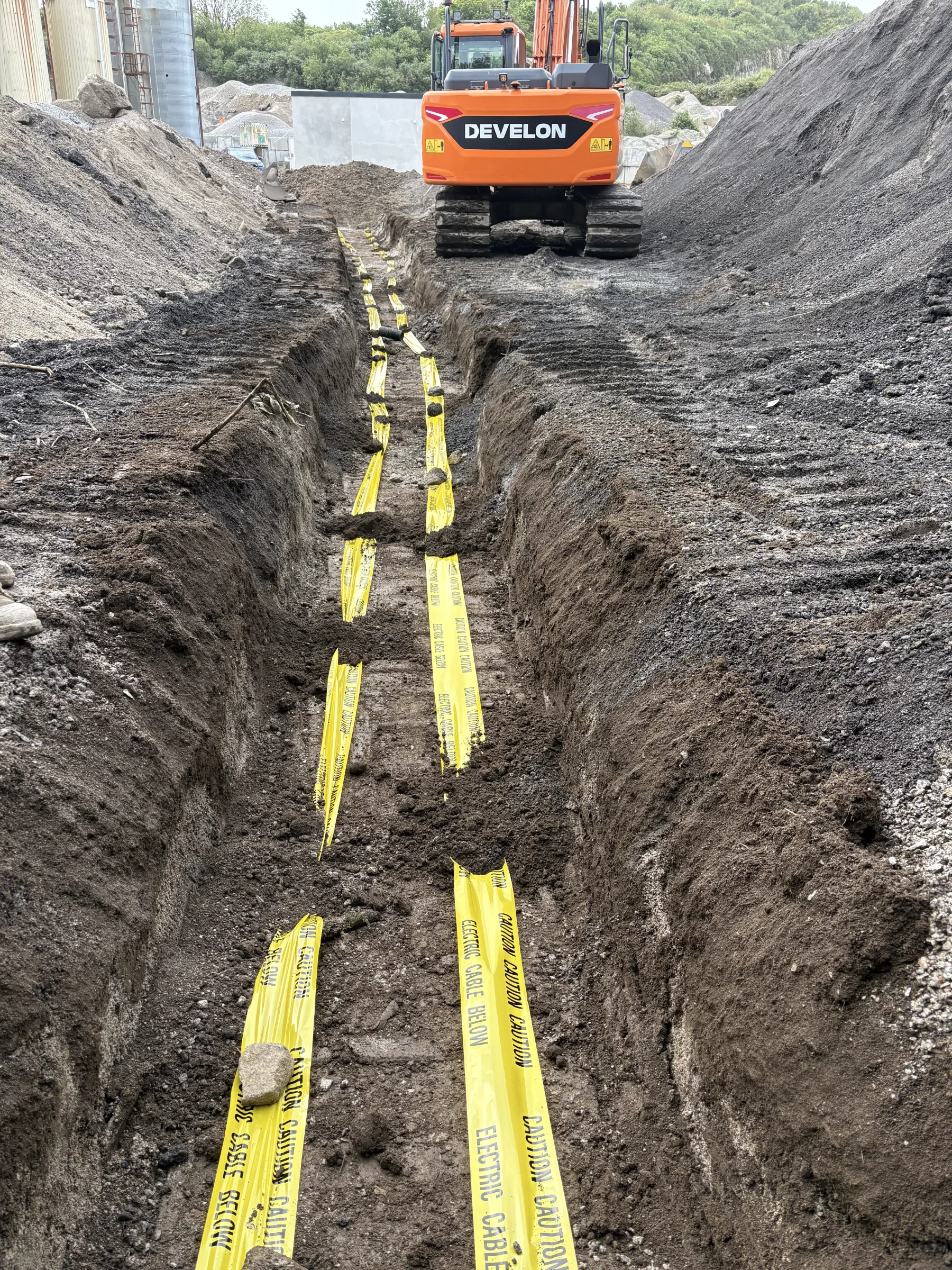
Solar PV, battery storage and EV charging are sometimes treated as separate technologies. On a working site, however, they connect to an existing electrical system and must be planned with that system in mind.
Existing supply arrangements, distribution routes, load patterns, protective devices and possible future changes can all influence the design. A clear site history gives the project team a better starting point for deciding what needs to be verified before proposals are developed.
What site managers can keep ready
Before requesting maintenance, testing or an upgrade, it is helpful to gather the information already available. Useful items may include:
- the latest electrical installation certificates and condition reports;
- current distribution and circuit schedules;
- single-line diagrams where applicable;
- records of recent faults, repairs and recurring trips;
- manufacturer information for significant equipment;
- details of solar, battery or EV charging systems;
- known shutdown restrictions and critical loads;
- plans for building changes, machinery or increased demand.
Do not delay an enquiry simply because some documents are missing. Instead, explain what is and is not available. That allows the contractor to consider whether additional investigation should form part of the scope.
A useful record should survive staff changes
One of the clearest tests of electrical documentation is whether it remains understandable when people change roles. Information held only in one person’s memory is vulnerable when a facilities manager, maintenance employee or tenant leaves.
Records should be stored where the appropriate people can find them, with superseded versions clearly identified. Updates should be made after relevant alterations rather than postponed until the next major inspection.
For a larger site, it may also help to maintain a simple forward plan showing anticipated electrical work. This can reveal opportunities to coordinate surveys, containment, shutdowns or capacity assessments instead of treating every request as an unrelated event.
Building a clearer starting point for future work
Maenporth Electrical supports industrial, commercial, renewable energy, testing, planned maintenance and EV charging requirements, alongside domestic electrical work. For larger sites, the connecting thread is the need to understand the installation before changing it.
If you are responsible for a site in Falmouth, Penryn or elsewhere in Cornwall, you do not need a perfect archive before beginning a conversation. A description of the premises, the immediate requirement and any known constraints provides a useful starting point.
To discuss an electrical project, planned maintenance requirement or an installation with an incomplete history, contact Maenporth Electrical or call 01326 250297.