
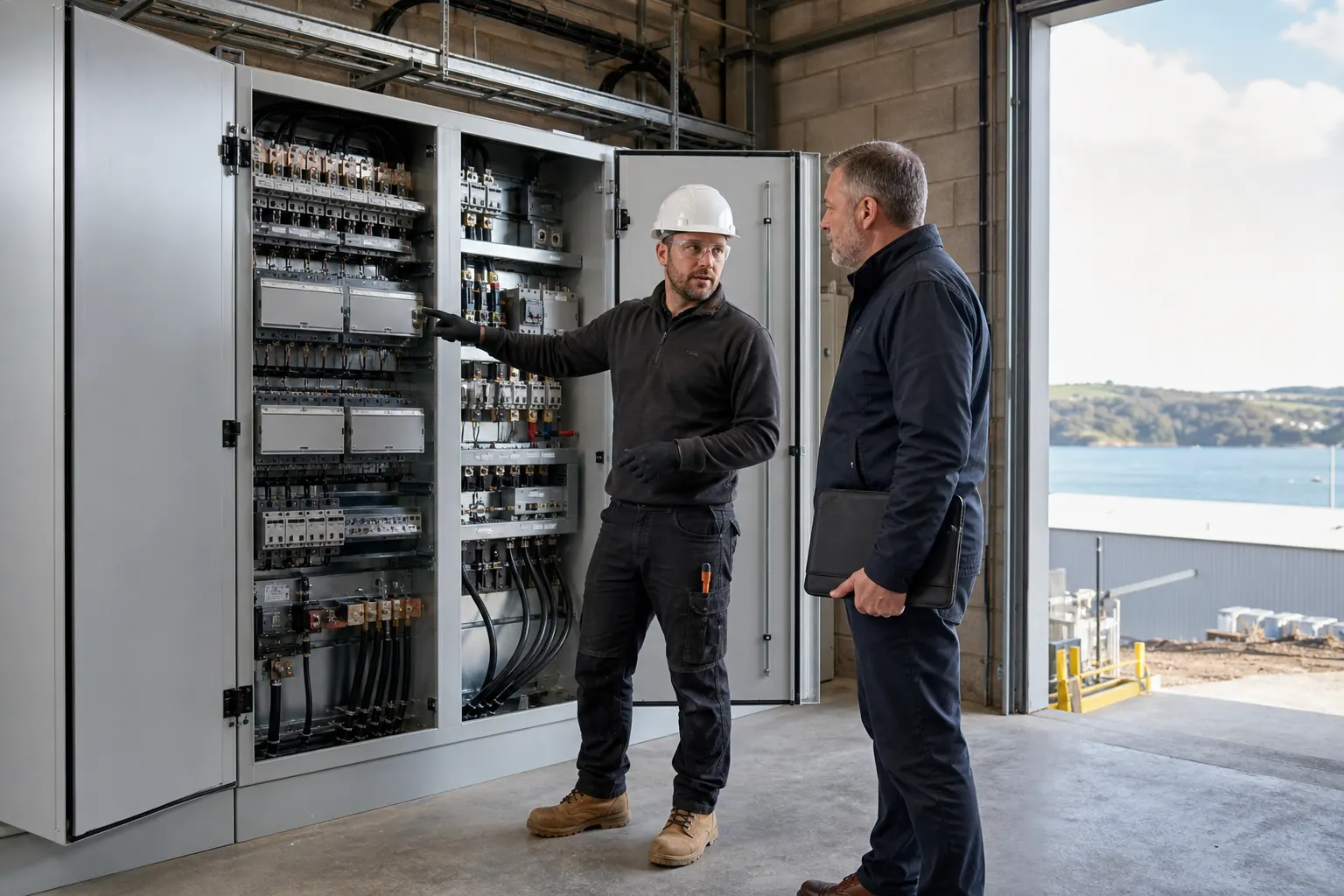
Electrical work is often easiest to manage before it becomes an emergency. A recurring fault, an overloaded distribution board or a proposed piece of equipment may not stop a site today, but each can signal that an informed conversation is needed.
For businesses and larger sites around Falmouth, the right time to call an electrical contractor is therefore not limited to the moment something fails. Early involvement can help define the problem, identify the information needed and place electrical work within the site’s wider operational plans.
Maenporth Electrical Ltd is based at Maenporth and serves Falmouth, Penryn and the wider Cornwall area. Its service scope includes industrial and commercial electrical work, solar and renewables, electrical testing, planned maintenance and EV charging, alongside domestic electrical work. You can read more about Maenporth Electrical and its service focus.
Call when the site is changing rather than waiting for a fault
Changes in how a building or site is used can alter its electrical requirements even when the existing installation appears to be operating normally. Additional machinery, commercial kitchen equipment, electric heating, vehicle charging or new accommodation units can all affect demand and distribution.
This matters because an electrical installation is a connected system. A new load cannot always be considered in isolation from the incoming supply, main switchgear, protective devices, cable routes and existing patterns of use.
A conversation with Maenporth Electrical may be useful when a Falmouth site is considering:
- new machinery, motors or production equipment;
- an extension, refurbishment or change of use;
- additional pitches, lodges or facilities at a holiday park;
- commercial solar, battery storage or EV charging;
- changes to workshops, kitchens, leisure facilities or external areas;
- greater seasonal demand or longer operating hours;
- replacing fossil-fuel equipment with electrical alternatives.
Making contact while plans are still flexible allows electrical constraints to be considered alongside layout, access, procurement and operational requirements. It does not mean that every proposal will require a major upgrade. It means that decisions can be based on the condition and capability of the actual site.
Call when the same electrical symptom keeps returning
A single trip or failed component can have a straightforward explanation. A pattern deserves closer attention. Repeated interruptions, unexplained protective-device operation or equipment that behaves differently at busy times may point to an underlying issue that cannot be resolved by repeatedly resetting or replacing the most visible component.
Recurring signs worth recording
- breakers or RCDs operating repeatedly;
- lights dimming or flickering when equipment starts;
- motors running hot, stopping unexpectedly or struggling to start;
- localised heat, discolouration or unusual smells around electrical equipment;
- intermittent loss of power in one part of a site;
- faults that appear during wet weather or periods of high demand;
- temporary fixes that are becoming part of normal operation.
Site staff should not open equipment or attempt electrical diagnosis unless they are competent and authorised to do so. They can, however, record when the problem occurs, what was operating at the time and which areas were affected. That operational information may make subsequent investigation more focused.
Urgent warning signs, including burning smells, smoke, damaged live equipment or signs of overheating, should be treated as safety issues rather than deferred for a future maintenance visit.
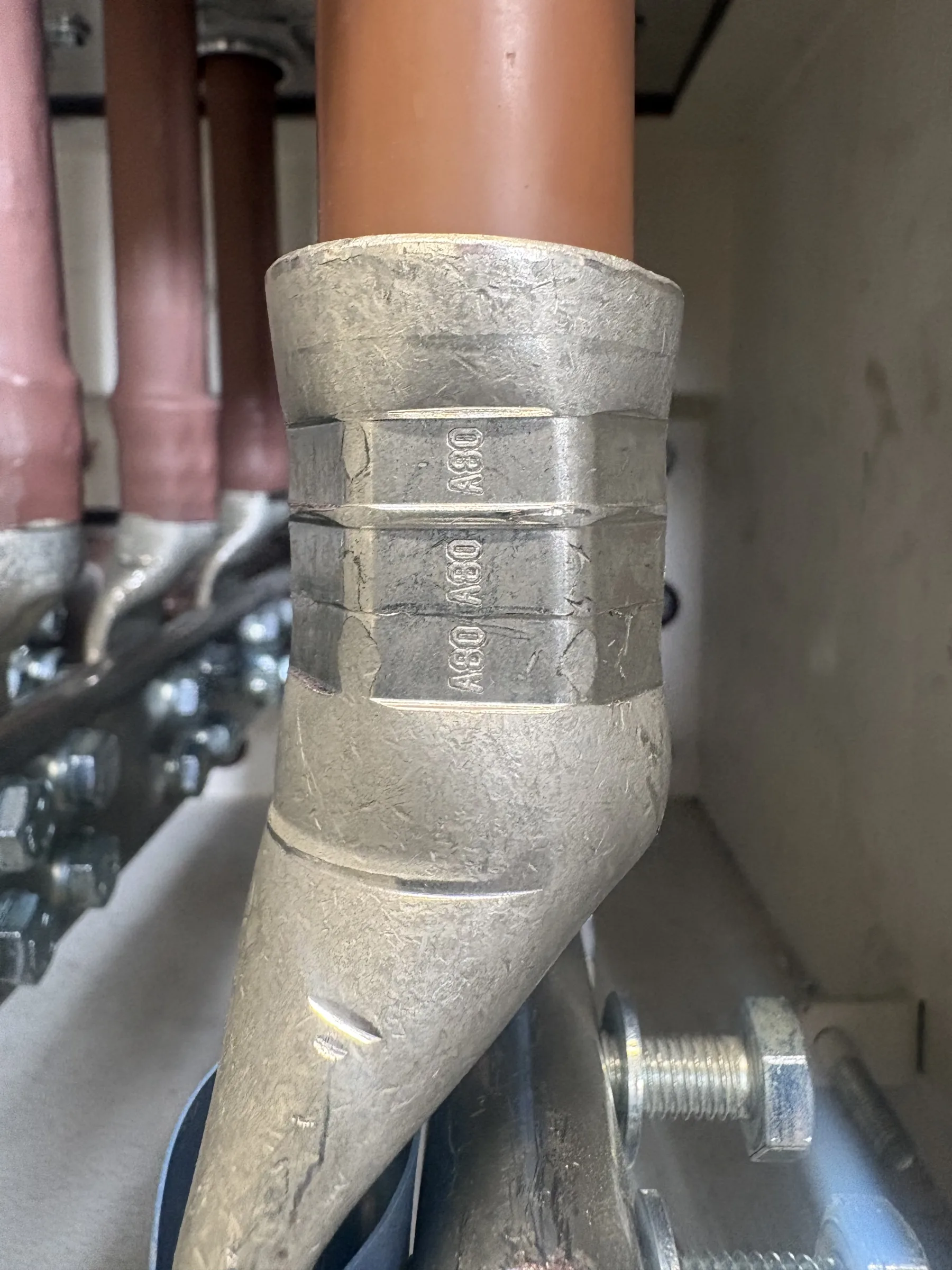
Call before testing becomes a last-minute requirement
Electrical testing is more useful when it is part of a planned process rather than an administrative task squeezed in before an insurance renewal, tenancy change or internal deadline.
A site may contain several installations of different ages, records from earlier alterations and equipment serving different operational priorities. Access may need to be coordinated around guests, production, tenants, animals, deliveries or public opening hours. Some circuits may support equipment that cannot simply be switched off without preparation.
Early discussion can establish the likely scope, the records already available and the operational restrictions that need to be considered. It can also help the site decide how any observations or remedial work will be prioritised after inspection.
The legal principle is broader than possessing a recent report. Regulation 4 of the Electricity at Work Regulations requires systems to be maintained as necessary to prevent danger, so far as is reasonably practicable. The HSE guidance on the Electricity at Work Regulations explains the duties and the role of construction, operation and maintenance in electrical safety.
Call when maintenance records do not tell the whole story
Certificates, reports, drawings and previous test results can provide valuable evidence, but records do not always reflect every later alteration. Equipment may have been moved, circuits repurposed, external supplies extended or temporary arrangements retained for longer than intended.
Sites around Falmouth can also include challenging operating conditions. Outdoor equipment, coastal exposure, moisture, dust, vibration, vehicle movements and intensive seasonal use may all influence what should be inspected and how maintenance is planned.
It can be useful to review electrical arrangements when:
- documents no longer match the current installation;
- responsibility for the site has changed hands;
- different contractors have altered separate areas over time;
- equipment has become critical to day-to-day operations;
- the site has no clear record of recurring faults;
- maintenance is reactive rather than planned.
The aim is not paperwork for its own sake. Useful records help decision-makers understand what exists, what has changed and where further attention may be justified.
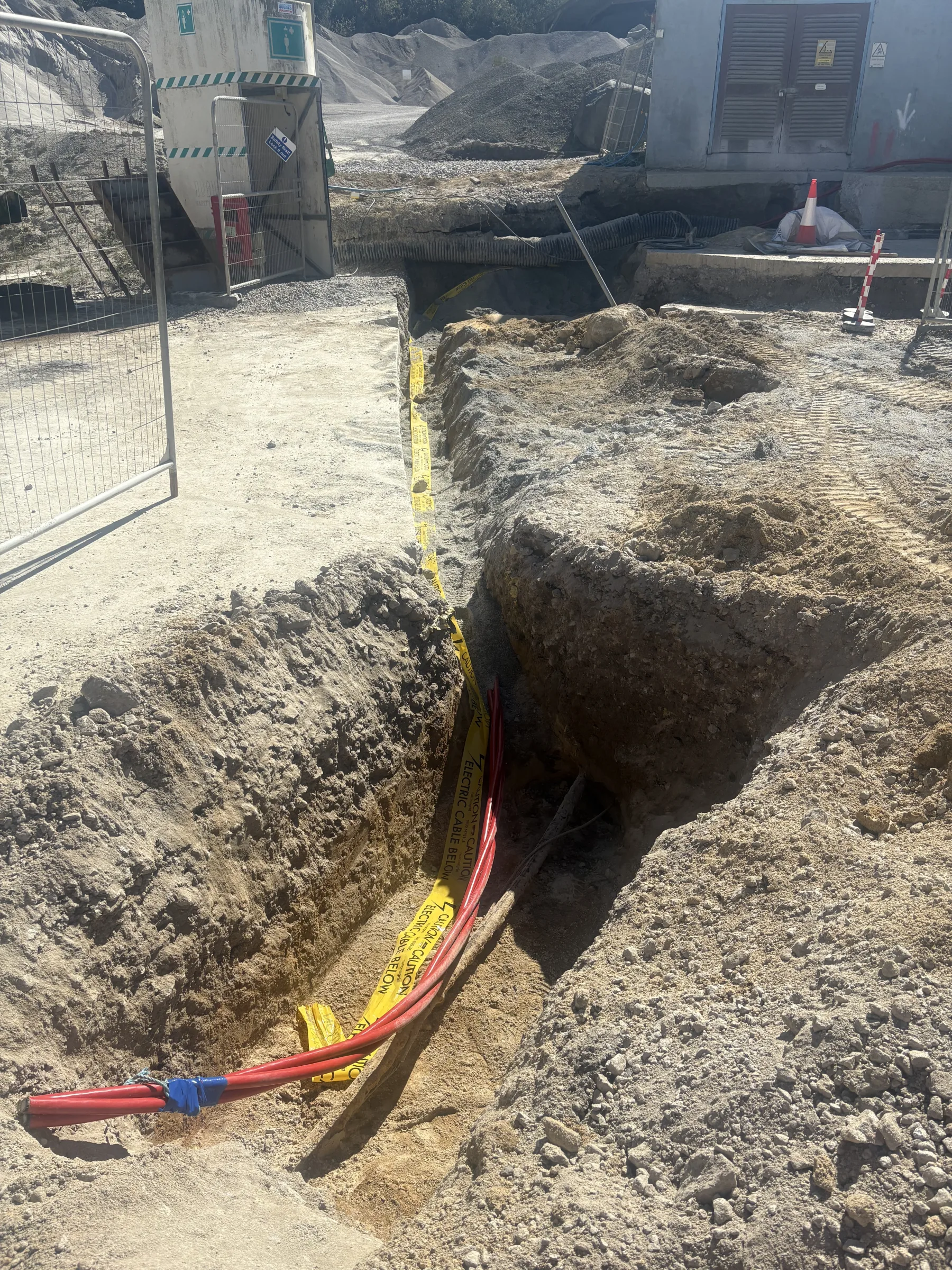
Call before renewables or EV charging are treated as standalone purchases
Solar panels, battery storage and EV chargers are visible additions, but their successful integration depends on less visible electrical infrastructure. Existing demand, supply capacity, distribution equipment, cable routes, earthing arrangements, operating patterns and future expansion can all affect the appropriate solution.
For a commercial or rural site, the first question is not simply which product to buy. It is what the site is trying to achieve. The objective might be to provide charging for visitors, reduce daytime grid consumption, support operational vehicles, use more on-site generation or prepare for phased growth.
Clarifying that objective before equipment is selected reduces the risk of designing around a product that does not suit how the site actually operates. It also creates an opportunity to consider whether enabling works, monitoring or a staged installation would be appropriate.
What to have ready for the first conversation
You do not need a complete technical specification before calling Maenporth Electrical. A concise description of the site, the problem and the intended outcome is often a better starting point than an assumed solution.
Where available, gather:
- the site address and the areas affected;
- a description of the current problem or planned change;
- relevant deadlines and operational constraints;
- details of equipment being added or replaced;
- previous reports, certificates or distribution information;
- records of when recurring faults occur;
- access, induction, shutdown or permit requirements;
- the name of the person authorised to discuss scope and decisions.
For larger sites, it is also worth identifying what must remain operational and when quieter working windows occur. Holiday parks, factories, quarries, leisure facilities and commercial premises may each require a different approach to access and interruption.
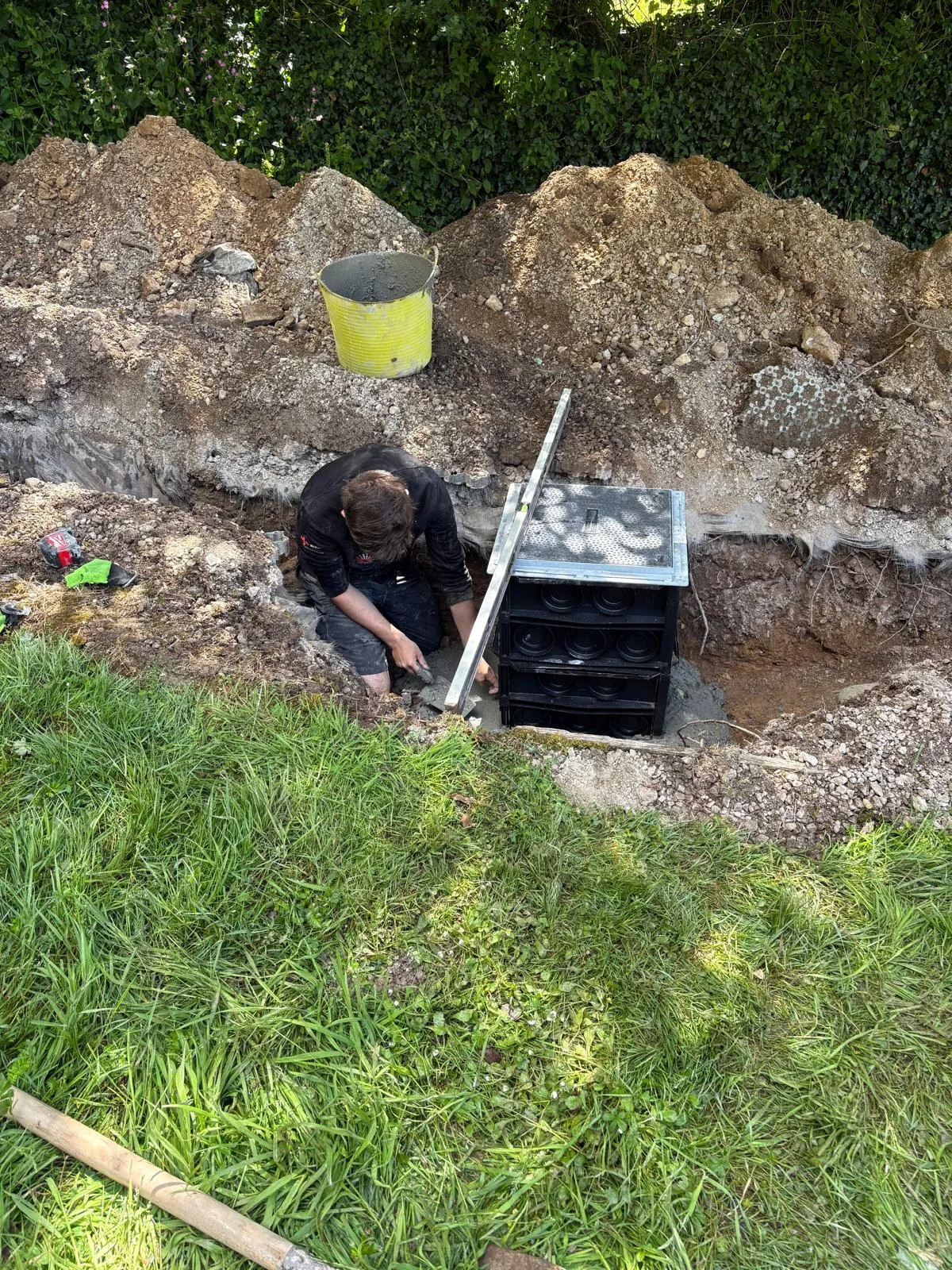
Earlier contact supports better site decisions
Not every electrical concern is an emergency, but that does not mean it should be left until failure. Early contact is particularly valuable when electrical work interacts with production, visitor experience, business continuity, site expansion or investment in renewables.
If you manage a commercial, industrial, leisure or larger rural site in Falmouth, Penryn or elsewhere in Cornwall, you can contact Maenporth Electrical or call 01326 250297 to discuss the issue, the available information and the practical next step.