
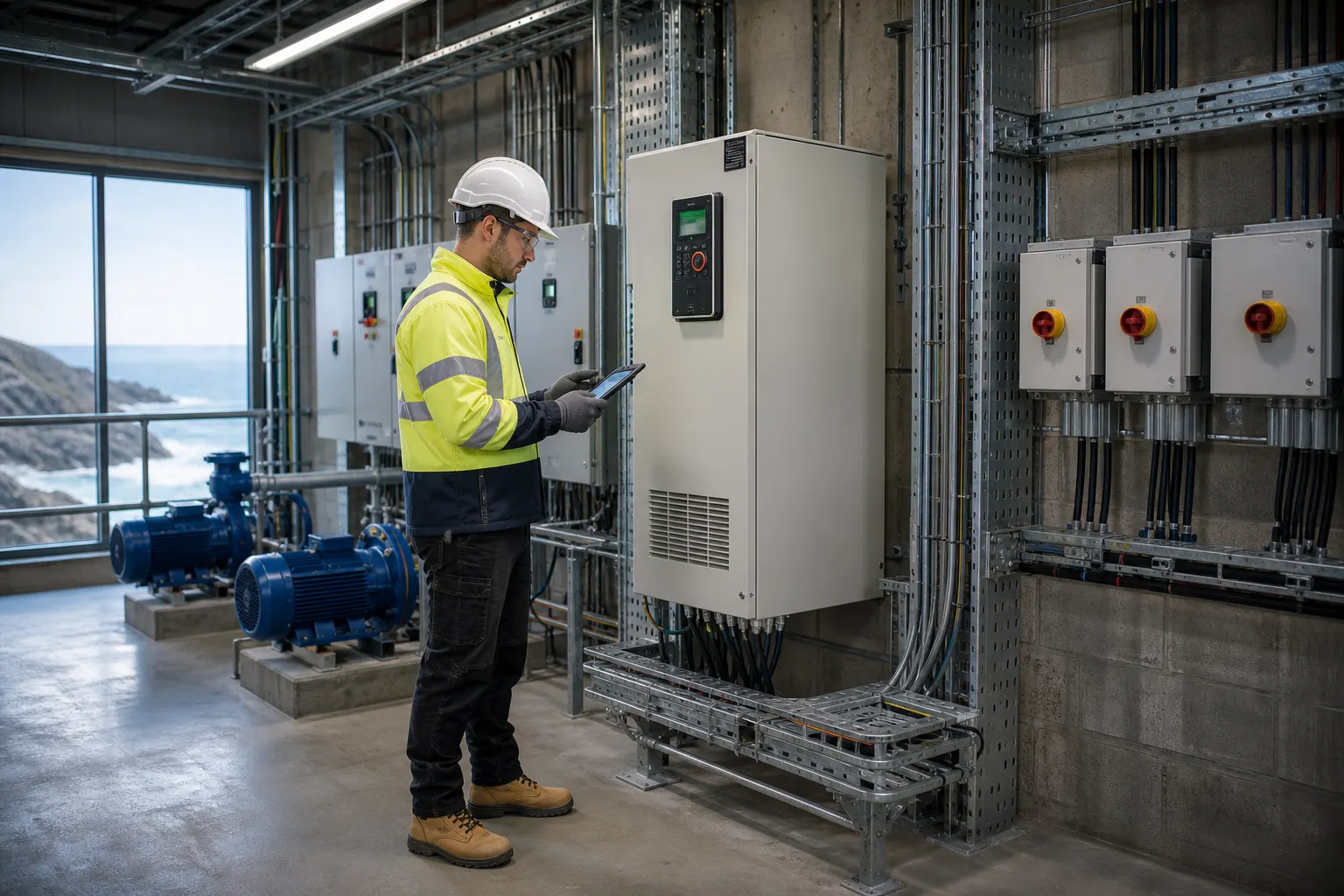
A variable speed drive can give an industrial site more control over a motor-driven process. It may improve starting, allow output to follow demand and reduce unnecessary energy use in suitable applications. However, a successful retrofit involves considerably more than selecting a drive with the same kilowatt rating as the motor.
The motor, driven machine, electrical supply, control system, cabling, protective devices and operating environment all affect the specification. Overlooking any one of them can result in nuisance trips, electrical interference, unreliable operation or a process that no longer behaves as operators expect.
For factories, quarries, pumping systems, extraction plant and larger rural sites, the best starting point is a survey of the complete application. Maenporth Electrical supports industrial electrical systems in Cornwall, including the practical site work needed to integrate new equipment with existing plant.
Why a VSD retrofit is not simply a drive replacement
A variable speed drive, often shortened to VSD, changes the frequency and voltage supplied to a motor so that its speed and torque can be controlled. It is particularly useful where a process does not need to operate continuously at full output.
Pumps, fans, conveyors, mixers and extraction systems can all be possible candidates. That does not mean every motor should be fitted with a drive. A machine that must run at a fixed speed and full load may gain little from variable control, while the drive itself introduces losses, additional components and new maintenance considerations.
The question should therefore be what does the process need?, rather than simply which drive fits this motor?
Start with the mechanical process and operating pattern
Before equipment is specified, the site needs a clear picture of how the machine operates. A motor nameplate provides essential electrical information, but it does not explain the load profile or the consequences of changing speed.
A useful initial review considers:
- the normal and maximum operating speed;
- whether the load needs constant or variable torque;
- how frequently the motor starts, stops or changes speed;
- whether the process can safely operate at reduced speed;
- the required acceleration and deceleration times;
- whether rapid stopping requires additional braking arrangements;
- how the machine responds after a power interruption;
- which alarms, interlocks and emergency functions already exist.
For example, reducing the speed of a fan may be a sensible way to match airflow to demand. Reducing the speed of a conveyor without reviewing upstream and downstream machinery could instead cause blockages or disrupt production. The whole process sequence matters.
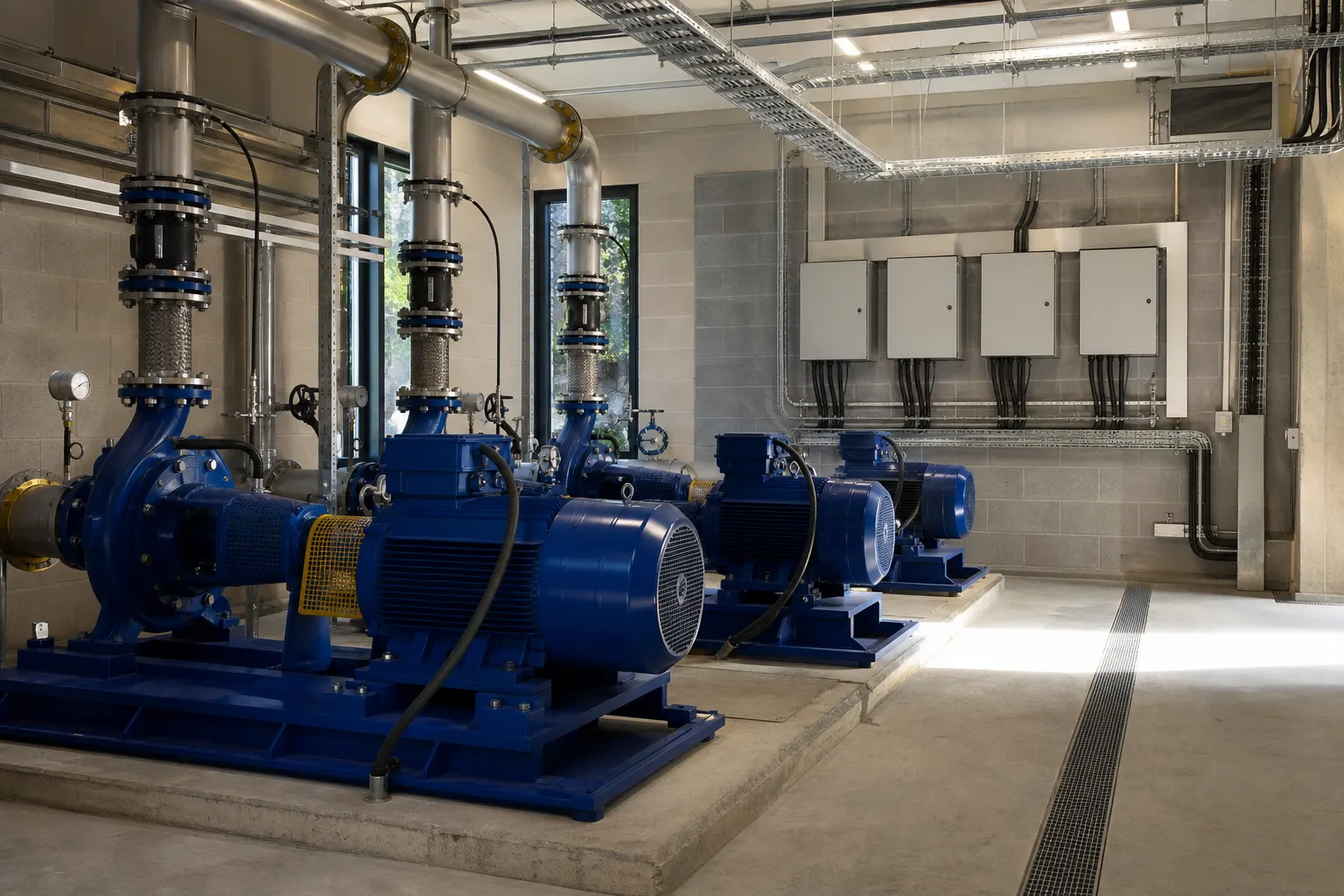
Survey the existing motor and electrical installation
Motor condition and suitability
An existing motor should not automatically be assumed suitable for drive operation. Its age, insulation condition, cooling method, duty, bearing arrangement and previous repairs may all be relevant.
A motor that relies on a shaft-mounted fan can receive less cooling when run slowly for long periods. Long motor cables and the switching output of a drive may also increase electrical stress at the motor terminals. Depending on the application, the design may require a drive-rated motor, independent cooling or an appropriate output filter.
Baseline inspection and testing can help identify an already deteriorating motor before the new drive is commissioned. Otherwise, an existing defect may be incorrectly attributed to the retrofit.
Supply capacity and protective devices
The incoming supply, circuit conductors, isolation, short-circuit protection and earthing arrangements need to be checked against the proposed equipment and manufacturer’s requirements. Existing contactors, overloads and power-factor-correction components also need careful review because equipment suitable for a direct-on-line motor circuit may not belong on the output side of a VSD.
The Electricity at Work Regulations require electrical systems to be maintained so far as reasonably practicable to prevent danger. The HSE’s guidance on the Electricity at Work Regulations also highlights the value of inspection, testing and maintenance records when monitoring system condition.
Panel space and environmental conditions
Drive equipment produces heat and needs suitable ventilation, clearances and enclosure protection. A convenient empty section of a panel is not necessarily an appropriate location.
Dust, moisture, vibration, corrosive contamination and temperature must be considered. This is especially important around quarry processing, workshops, wash-down areas, coastal locations and plant installed in external enclosures. Filters and cooling paths also need to remain accessible for maintenance rather than being treated as fit-and-forget components.
Plan for harmonics, EMC and cable routes
Variable speed drives are power-electronic devices. Their effect on the installation extends beyond the motor they control.
Harmonic distortion
A drive draws non-sinusoidal current and can contribute to harmonic distortion within an electrical system. The significance depends on factors including drive size, the number of drives, supply characteristics and other connected equipment.
On a site with several drives or sensitive loads, assessment may be needed before equipment is selected. Depending on the findings and the chosen product, mitigation could include line reactors, chokes, passive filters, active solutions or a different drive topology. The correct approach should be based on the installation rather than added as an afterthought.
Electromagnetic compatibility
Poor drive cabling, screening or earthing can create interference affecting instrumentation, sensors, communications and control signals. Cable type, gland termination, separation of power and signal routes, enclosure construction and bonding all contribute to electromagnetic compatibility.
The drive manufacturer’s installation requirements should be incorporated into the design and followed on site. A compliant product does not, by itself, guarantee that the completed drive-and-motor system will perform correctly if installation details are ignored.
Motor cable length
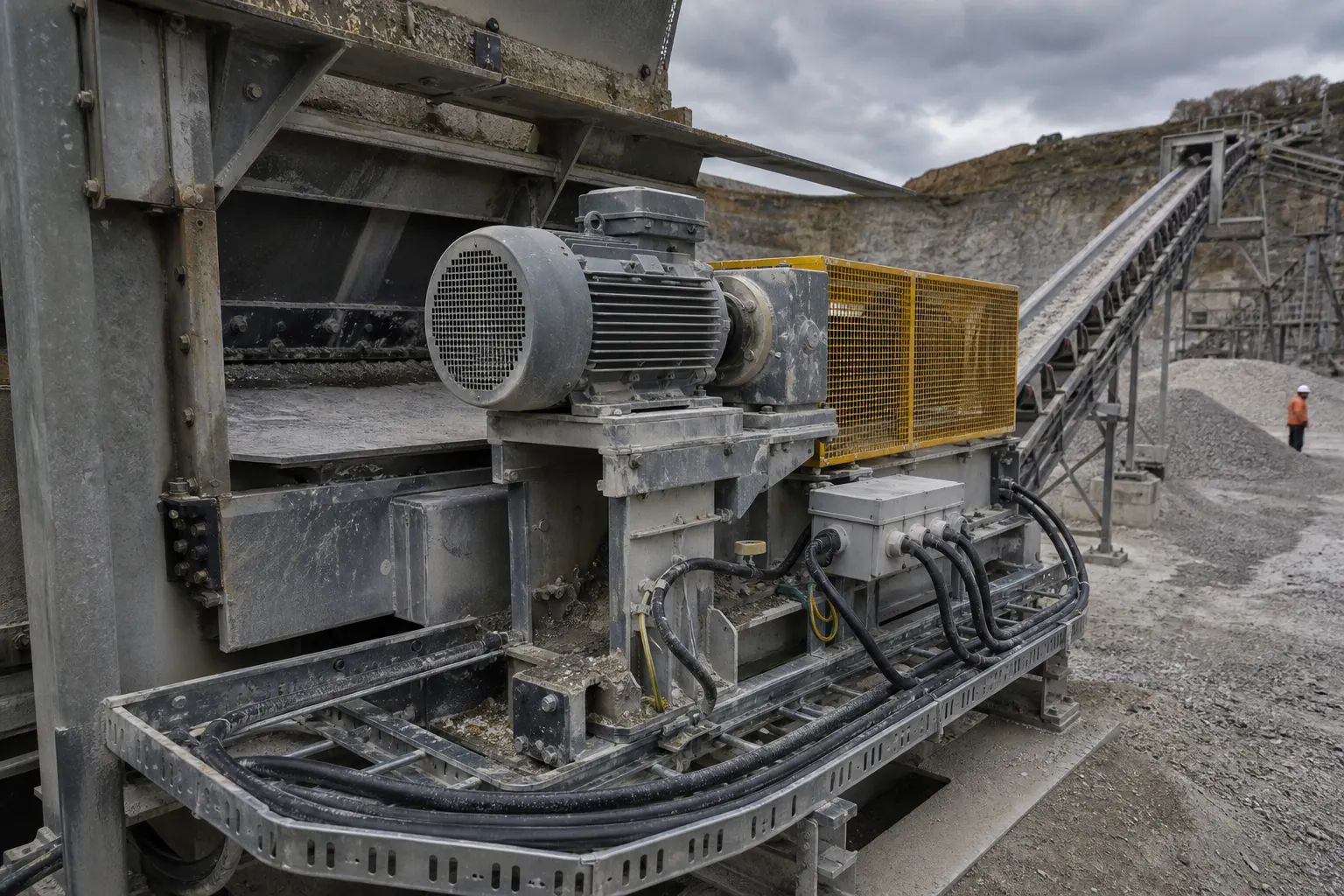
The route between the drive and motor needs to be measured rather than estimated. Longer cables can affect drive selection, EMC performance and voltage stress at the motor. Product-specific cable limits and filter requirements should therefore be checked during design, not after the containment has been installed.
Keep machine safety separate from ordinary control
A drive’s stop command is not automatically a safe means of isolation. Maintenance isolation, emergency stopping, guard interlocks and prevention of unexpected start-up must be considered as part of the machinery and its risk assessment.
Retrofitting a VSD can change how a machine starts, stops and restarts. Existing safety functions must remain effective, and any safety-related drive functions need to be correctly designed, configured and validated. This work requires coordination between electrical controls, mechanical plant and the site’s operating procedures.
Decide how the site will cope with a drive failure
If the motor serves a critical process, the project should address resilience before commissioning. A bypass arrangement may be useful in some applications, but it is not universally suitable. Running at full speed could be unsafe or impractical where the drive normally provides essential process control.
Questions worth resolving include:
- Can the process operate safely without variable speed control?
- Is a spare drive or control unit justified?
- Are parameter files backed up and clearly identified?
- Can operators distinguish a process fault from a drive fault?
- Are replacement components still readily supported?
- What information will a contractor need during an urgent call-out?
These decisions are particularly important for sites where access, production schedules or replacement lead times could extend downtime.
Commission the process rather than only the equipment
Commissioning should verify more than whether the motor rotates. Direction, speed limits, ramp times, current limits, control signals, alarms, interlocks and restart behaviour all need to be tested against the intended process.
Motor data and drive parameters should be recorded, backed up and handed over in a usable form. Circuit information, labels and operating instructions should also be updated so that future fault-finding does not rely on guesswork.
Where practical, commissioning should involve the people who operate the plant. They can help confirm whether speed references, local controls, alarm messages and process responses are clear under real working conditions.
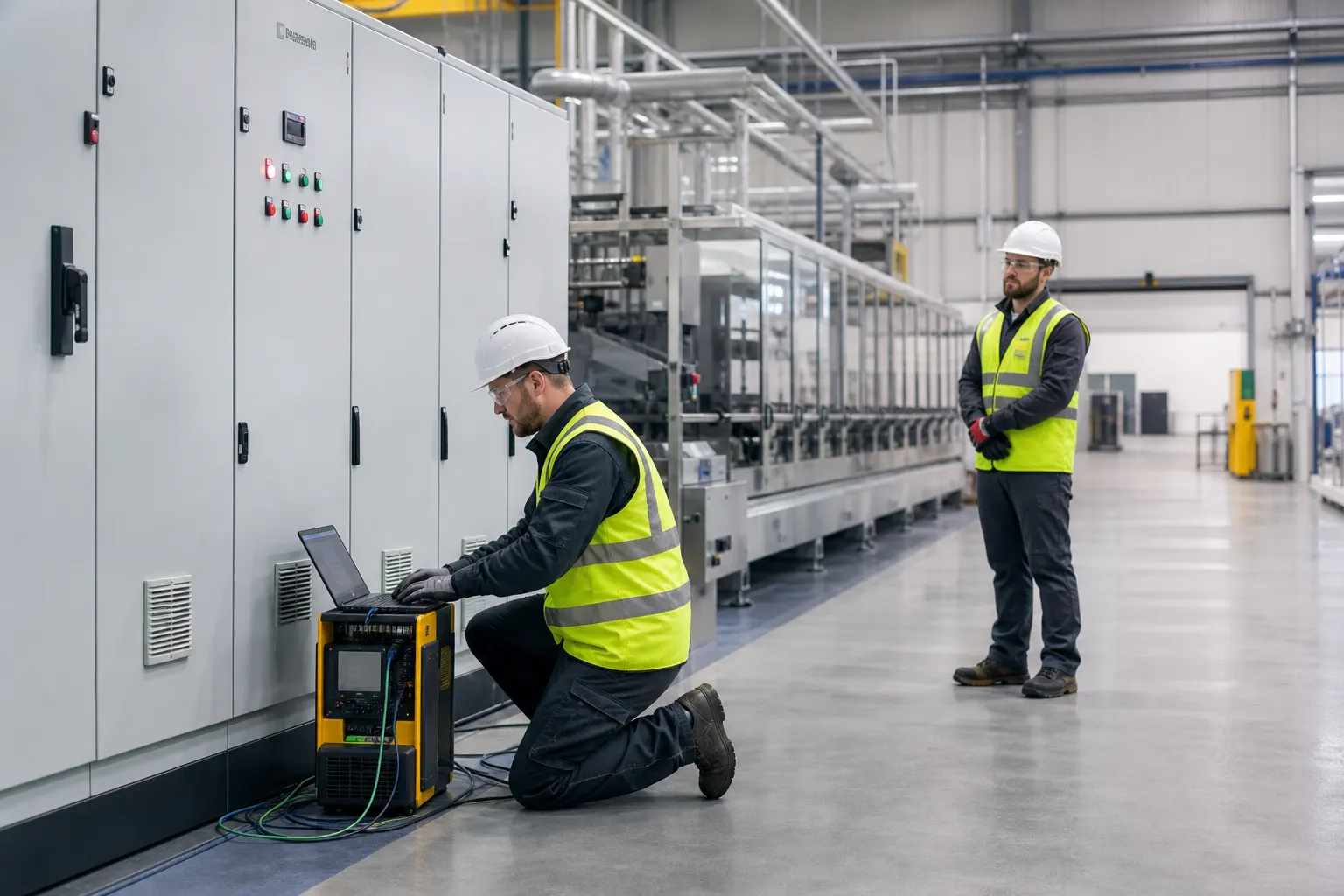
A practical brief for a Cornwall VSD project
Before requesting a quotation or site survey, gather the information that is already available. Useful details include motor nameplate photographs, machinery manuals, existing drawings, control descriptions, cable routes, operating hours and known faults.
Also explain what the project is intended to achieve. Better process control, gentler starting, reduced mechanical stress, replacement of obsolete equipment and energy management are different objectives. Being clear about the priority helps prevent an apparently simple specification from missing the real operational requirement.
If you are considering a variable speed drive retrofit at a quarry, factory, commercial facility or larger rural site, Maenporth Electrical can review the electrical installation and practical integration requirements. Call 01326 250297 or contact Maenporth Electrical to discuss an industrial project in Cornwall.