
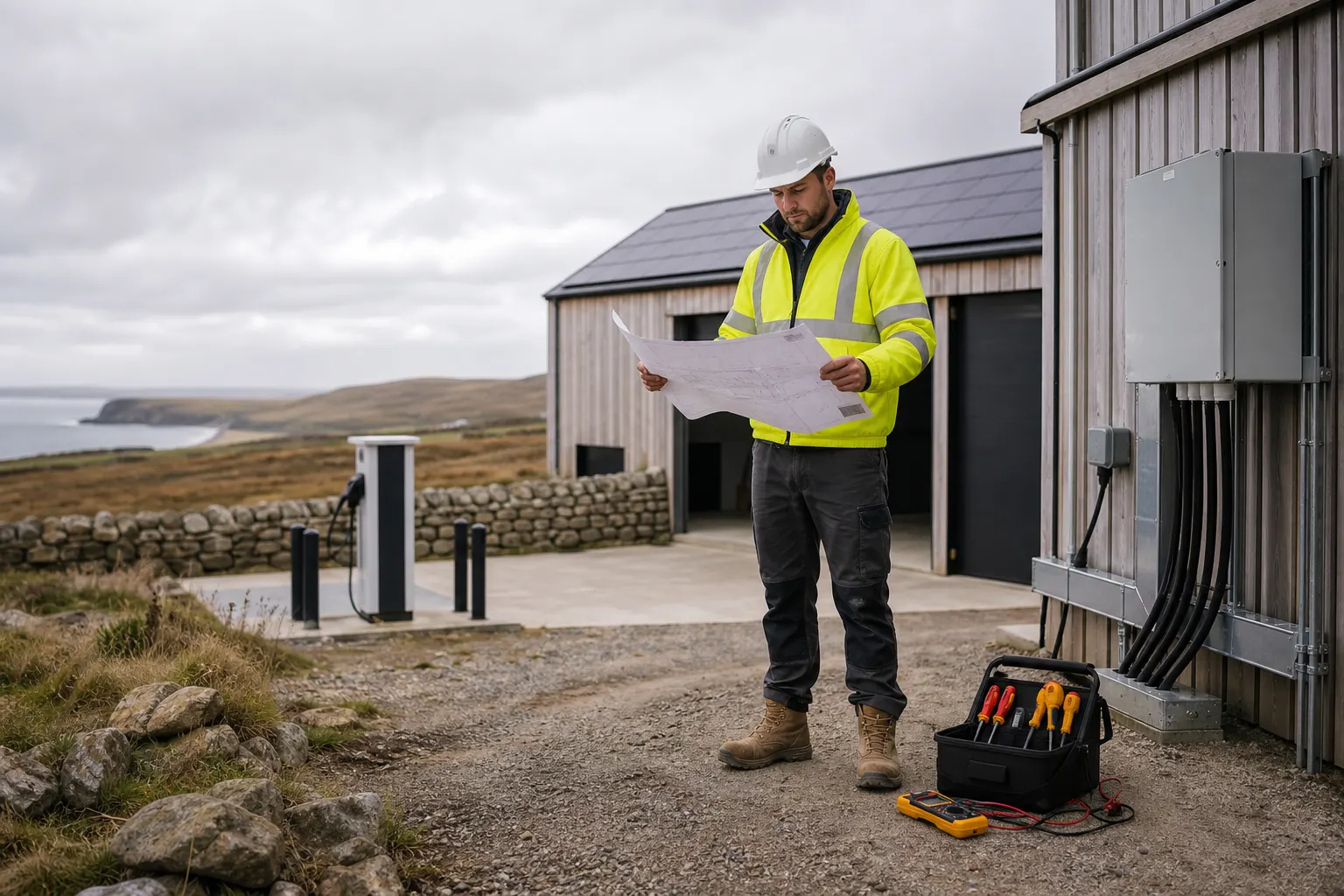
Searching for an electrical contractor is relatively straightforward when the job is a single socket or a direct replacement. It becomes more complicated when the site includes machinery, several buildings, ageing distribution equipment, renewable generation or plans for future expansion.
This company update explains where Maenporth Electrical fits. Based in Maenporth near Falmouth, we support electrical work across Cornwall, with industrial, commercial and renewable energy projects at the centre of our service. Electrical testing, planned maintenance, EV charging and domestic work are also available where they form part of the requirement.
The purpose is not to attach every possible service to every enquiry. It is to help site owners, managers and project teams recognise when their plans would benefit from a contractor able to look beyond one item of equipment and consider the wider installation.
A site-focused electrical contractor in Cornwall
Electrical work on a working site has to account for more than the final circuit. Access, operating hours, existing loads, distribution routes, shutdown requirements and the condition of older equipment can all affect how a project should be approached.
That is particularly important in quarries, factories and other operational environments. New machinery may need a dedicated supply, but the first question is whether the existing infrastructure can support it. Cable routes may cross production areas, isolation may affect other processes and available records may not fully reflect alterations made over time.
Our industrial electrical services are intended for these more involved settings, where practical site knowledge has to sit alongside the electrical specification. The same thinking can be useful on holiday parks, golf and leisure facilities, commercial premises and larger rural sites.
Why electrical requirements often overlap
A site may begin by asking about solar panels, an EV charger or a replacement distribution board. A closer look can reveal that the project also raises questions about incoming capacity, earthing, protection, metering, cable routes or the condition of the existing installation.
Renewable generation and new electrical loads should not be treated as unrelated additions. Solar PV changes how power is generated and used on the premises. Battery storage introduces another source of energy. EV charging can create sustained demand over several hours. New plant may produce starting currents or operating patterns that need to be understood.
This does not mean every project requires a complete electrical overhaul. It means the interfaces should be checked early enough to avoid specifying equipment that is difficult to connect, operate or maintain.
Where our core services fit
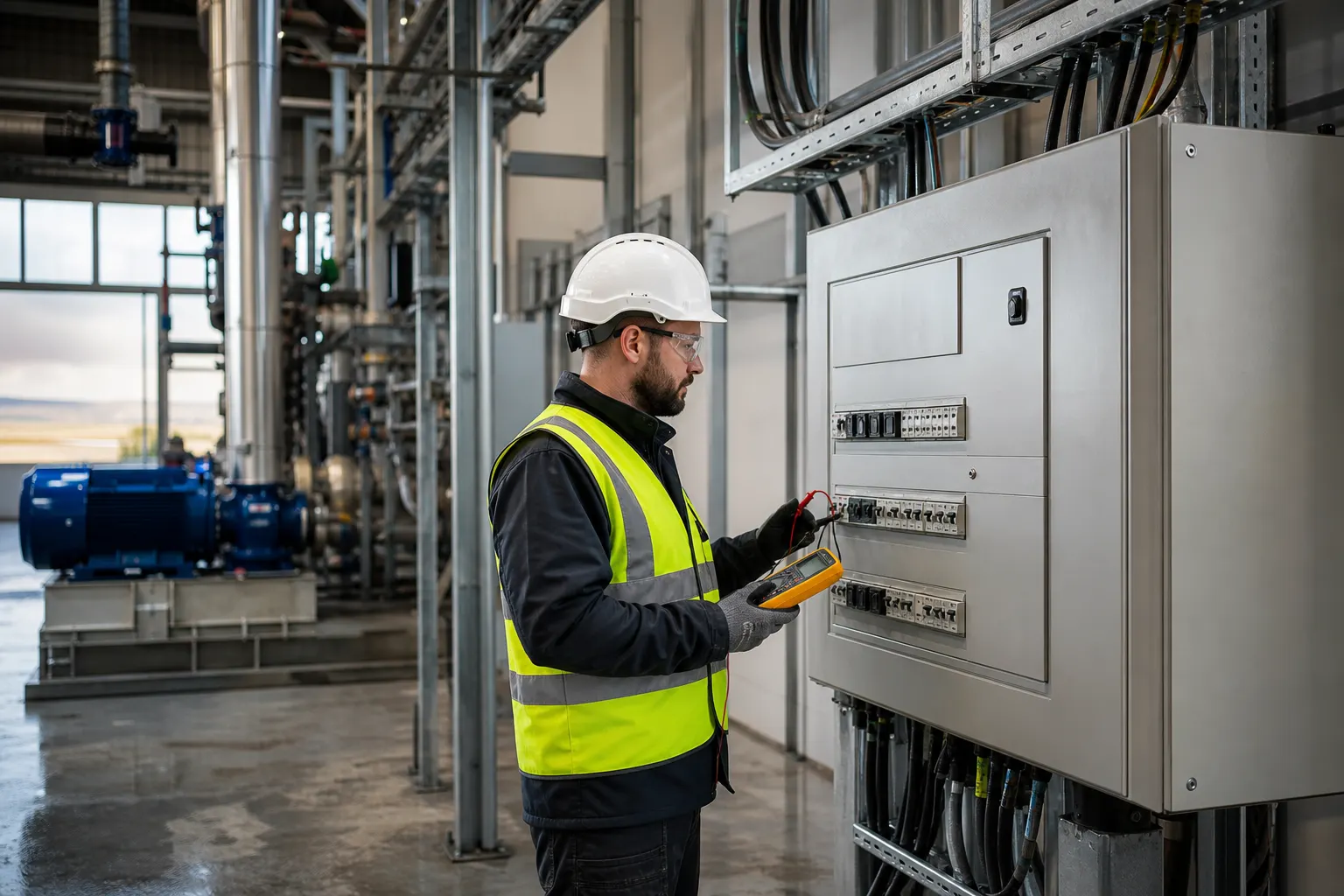
Industrial and process sites
Quarries, factories and workshops often combine three-phase distribution, machinery supplies, control equipment and harsh operating conditions. Dust, moisture, vibration, vehicle movements and restricted access can influence equipment selection and installation planning.
Useful early conversations may cover the proposed load, available supply information, working areas, isolation windows, cable containment and whether production has to continue during the work. Even when the requested change is small, its effect on the wider process may not be.
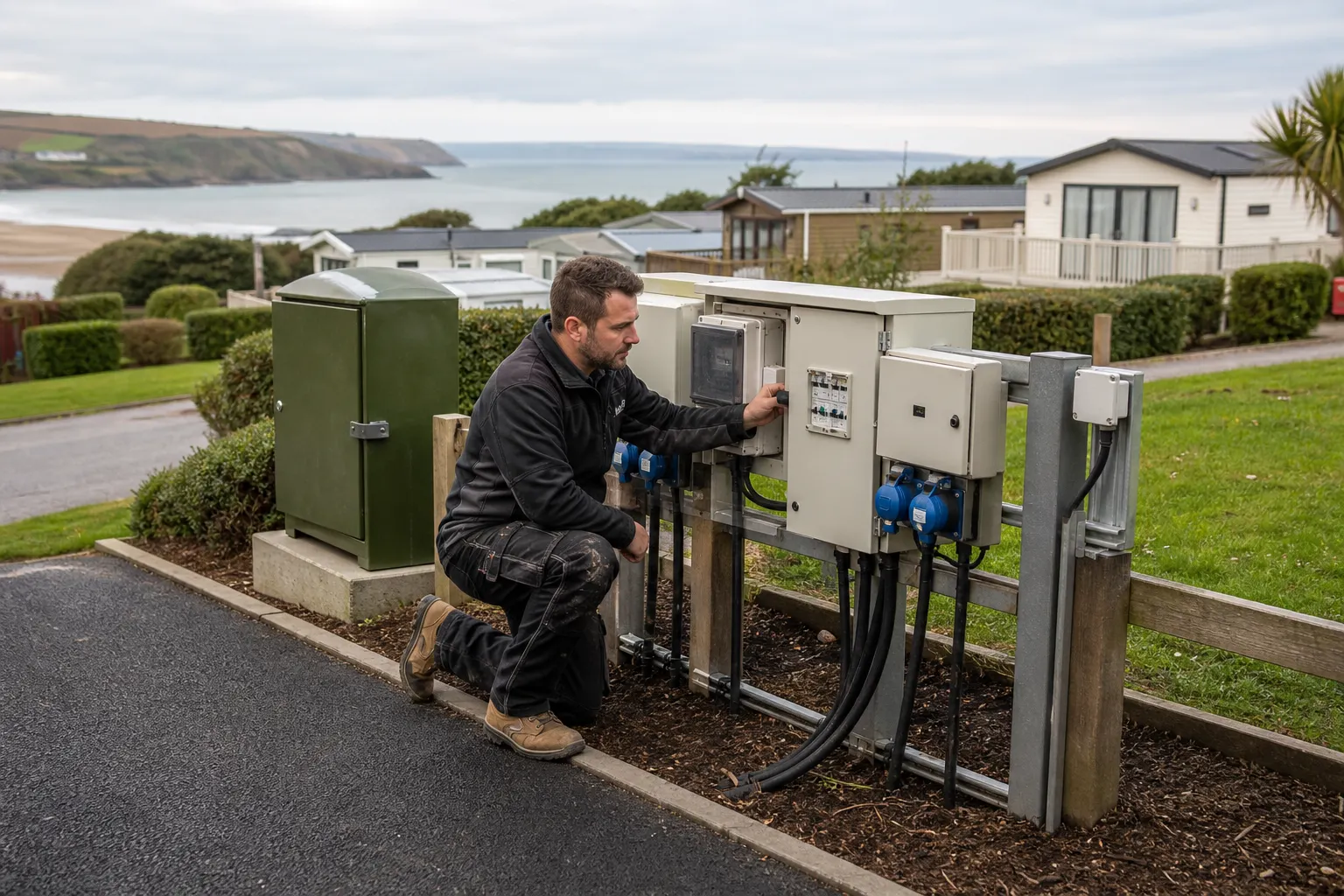
Holiday parks, campsites and leisure facilities
These sites can contain reception buildings, accommodation, pitches, kitchens, workshops, outdoor lighting, leisure facilities and vehicle charging spread over a wide area. Demand may also change sharply between quiet periods and peak occupancy.
Electrical planning therefore needs to consider how power is distributed across the whole property. A local upgrade in one area may depend on upstream cabling or switchgear some distance away. Phasing work outside busy periods can also be as important as the technical solution.
Commercial premises
Offices, shops, hospitality venues, storage buildings and mixed-use premises need electrical systems that support daily operations without creating avoidable disruption. Refurbishment work may involve lighting, additional circuits, emergency systems, data-related supplies, heating equipment or changes to how rooms are used.
The existing installation should be considered alongside the proposed layout. Moving partitions, changing escape routes or adding equipment can leave previously suitable electrical arrangements poorly matched to the building’s new use.
Renewables and EV charging
Solar PV, battery storage and EV charging should be planned around the site rather than selected in isolation. Relevant questions include when electricity is used, where equipment can be positioned, what cable routes are practical and whether future expansion is likely.
For rural and commercial properties, physical layout matters too. Long cable runs, separate buildings, outdoor equipment and exposed locations can affect the design and the ease of future maintenance.
Information that helps at the start of an enquiry
You do not need to produce a finished electrical specification before contacting a contractor. However, a small amount of clear site information can make the first discussion more productive and help identify whether a survey or further investigation is needed.
Useful details include:
- The site and its use including whether it is industrial, commercial, leisure, agricultural, residential or mixed-use.
- The reason for the work such as new machinery, refurbishment, recurring faults, higher demand, renewable generation or planned maintenance.
- Known electrical information including supply details, previous certificates, drawings or test records, where available.
- Operational constraints such as production hours, guest occupancy, seasonal peaks, restricted access or limited shutdown windows.
- Future plans including additional buildings, more equipment, fleet electrification, solar PV or battery storage.
- The practical timescale distinguishing an early feasibility discussion from work already tied to a construction programme.
Incomplete records are common, particularly on sites that have been altered over many years. The important point is to identify gaps rather than base a project on assumptions that may prove incorrect once work begins.
Safety, compliance and maintainability
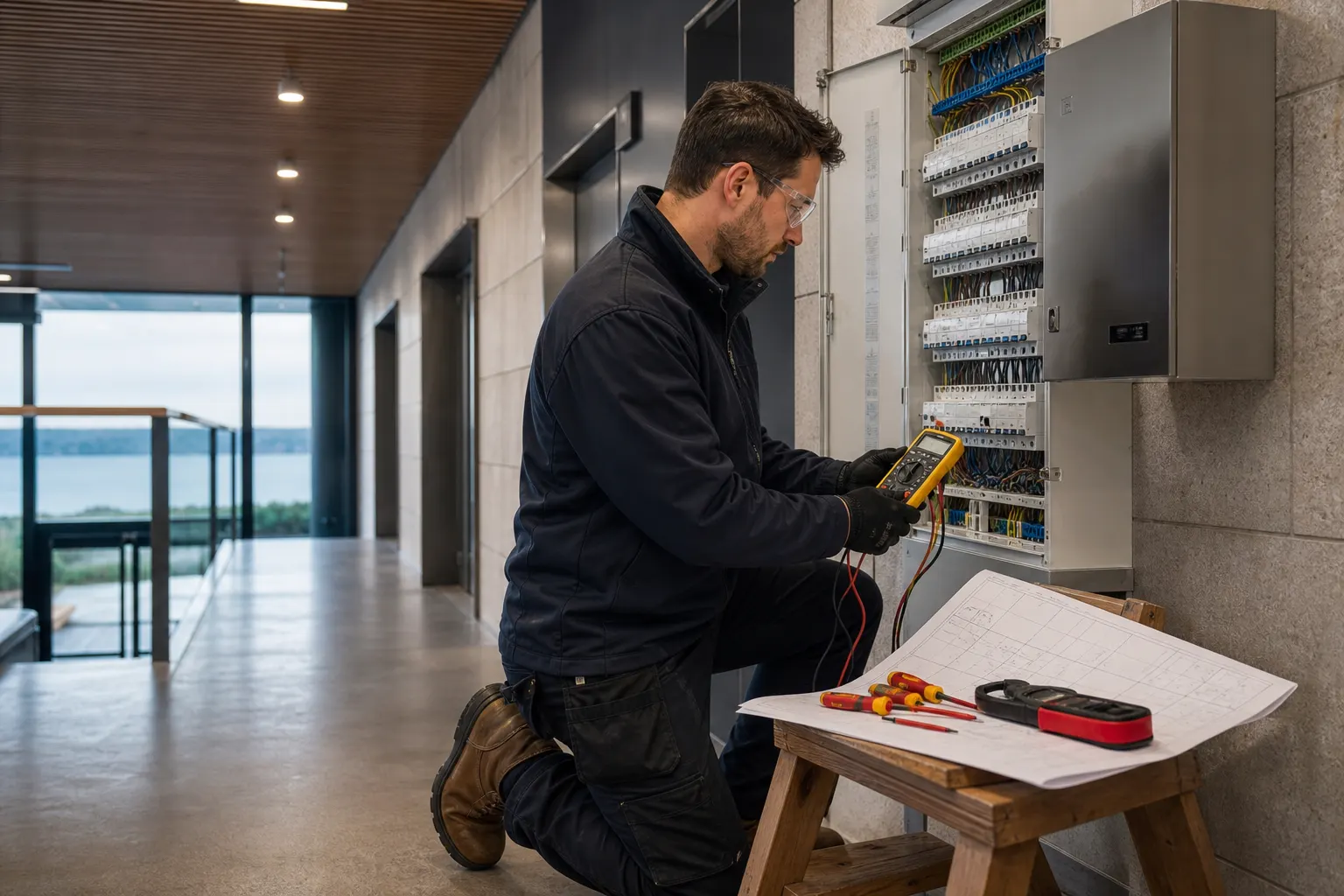
Electrical work must be assessed in the context of the installation, its environment and the people who operate or maintain it. Compliance is not limited to choosing products with the right rating. It also includes competent design and installation, suitable protection, safe working arrangements, verification and appropriate documentation.
The Electricity at Work Regulations place duties around preventing danger from electrical systems, including maintaining systems where necessary for safety. The HSE guidance on safe electrical working practices is relevant to people who manage or influence the design, installation, commissioning, maintenance and operation of electrical equipment.
Maintainability deserves attention during project planning as well. Equipment that is difficult to isolate, inspect or access can create recurring problems after the installation is complete. Clear identification, sensible positioning and accurate records all help the people responsible for the site later.
Looking beyond the immediate project
A completed installation becomes part of the site’s ongoing electrical system. It may eventually need inspection, testing, adjustment, repair or further expansion. Decisions made during the original project can make that future work either simpler or more disruptive.
For larger sites, it can be useful to connect project work with a proportionate maintenance plan. That may involve recording known defects, prioritising remedial work, reviewing equipment condition and planning interventions around operational constraints. The aim is not unnecessary maintenance; it is greater visibility of what is installed and what may need attention next.
This joined-up view is where an electrical contractor’s service range can be particularly useful. Industrial and commercial work, testing, maintenance, solar, battery storage and EV charging increasingly meet within the same electrical infrastructure.
Discuss your Cornwall site with Maenporth Electrical
If you are planning electrical work at a quarry, factory, holiday park, campsite, golf or leisure facility, commercial property or larger rural site, speak to us before the electrical details become fixed around incomplete information.
To discuss the site, the proposed work and the most useful next step, contact Maenporth Electrical or call 01326 250297. We cover Cornwall, including Falmouth, Penryn, Newquay, Carnon Downs and surrounding areas.